Who Is Legally Responsible?
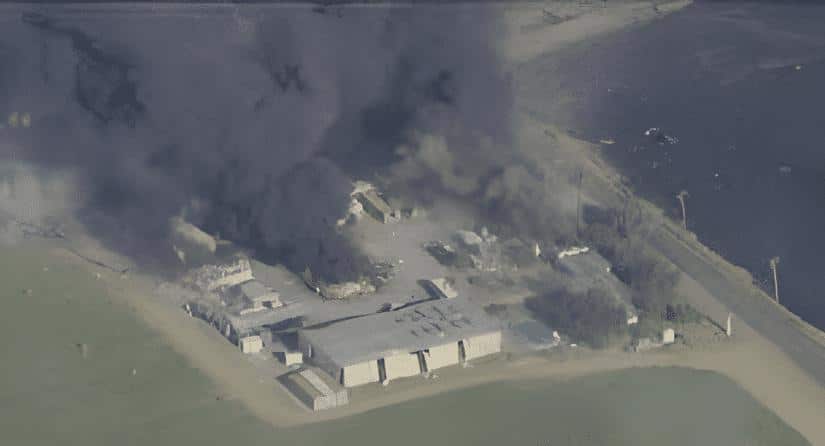
Several parties may share responsibility for the incident. First, the warehouse owner may face blame. This applies if they stored hazardous materials or ignored fire safety rules.
In addition, the distributor may hold responsibility. This can happen if the fireworks were defective or illegally imported.
Moreover, the shipping company may face liability. For example, transport violations during delivery can raise concerns.
Finally, oversight groups may also come under review. If they missed safety risks, they may share responsibility.
Potential Legal Charges and Claims
Affected individuals may pursue several types of claims. For instance, they may seek compensation for property damage.
In addition, they can claim relocation and evacuation costs. Medical injuries and emotional distress also form valid claims.
Furthermore, families may file wrongful death cases for missing victims.
Beyond financial loss, the emotional impact remains severe. Many residents describe deep trauma and lasting grief.
Fire Safety Failures and Violations
Investigators are reviewing safety conditions at the site. They are checking whether the facility met fire safety standards.
In addition, they are examining building design and maintenance practices. Poor structure or outdated systems may have increased risk.
Moreover, officials are reviewing permits and labeling practices. Expired approvals or incorrect labeling can also contribute to such incidents.
Cultural Impact and Community Response
The incident has deeply affected the local community. Many residents describe shock and emotional distress.
In addition, some people have connected the event to local history and culture. These reactions show how deeply the tragedy has affected people.
Therefore, community healing remains an important focus.
Environmental Hazards and Cleanup
Environmental concerns have also increased after the incident. For example, toxic air may affect nearby residents.
In addition, officials are monitoring water safety and soil conditions. These factors can create long-term risks.
However, cleanup delays may worsen the situation. Therefore, authorities must act quickly to restore safety.
Broader Commercial and Maritime Impact
The explosion may affect global shipping and trade. As a result, ports and logistics companies may review safety rules.
In addition, industry events and conferences may address these risks. These discussions will likely focus on preventing similar incidents.
Mental Health and Community Support
The emotional impact continues to grow. Many residents are coping with stress and trauma.
Therefore, mental health support has become essential. Community groups and counselors are helping people recover.
Financial Support and Recovery
In response, financial institutions are offering support options. Banks and digital platforms may provide emergency funds.
In addition, victims may explore savings tools and relief programs. These options can help families manage short-term needs.
Hidden Concerns and Ongoing Questions
Some residents have raised additional concerns. For example, they have reported power outages and safety issues.
These reports highlight deeper problems within the system. Therefore, authorities must investigate all possible causes.
Symbolism and Community Strength
Despite the tragedy, the community continues to show strength. Many residents are supporting recovery efforts.
For example, businesses are raising funds and helping affected families.
As a result, hope remains strong even during difficult times.
The Unseen Toll
The long-term impact may take time to fully understand. Lives have changed, and recovery will not be easy.
However, community leaders are pushing for real change. They want stronger safety laws and better enforcement.
Moving Forward
This tragedy highlights the need for accountability. It also shows the importance of safety and prevention.
Therefore, authorities and communities must work together. Strong action today can help prevent future incidents.