
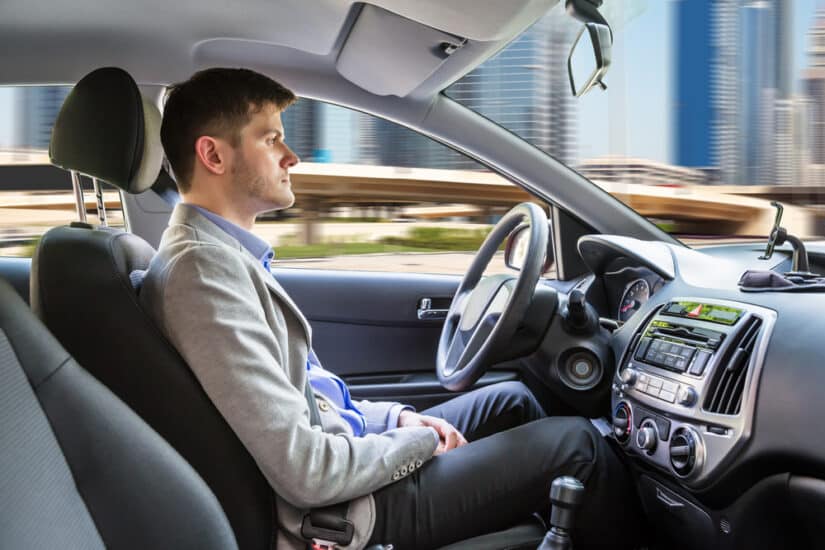
Understanding Liability in the Age of Self-Driving Cars
Self-driving cars are becoming more common on modern roads. As a result, personal injury law is also changing. Therefore, understanding liability in these cases is now essential. This article explains the legal challenges linked to autonomous vehicles and how they affect injury claims.
Litigation Trends Involving Autonomous Vehicles
The Rise of Self-Driving Car Lawsuits
As autonomous vehicles grow in use, lawsuits have also increased. For example, cases involving Tesla’s Autopilot have raised serious concerns. These incidents highlight questions about safety and responsibility.
Moreover, these cases push courts to rethink traditional legal rules. As a result, they are shaping new standards in personal injury law.
Legal Perspectives on Negligence and Defects
Balancing Negligence and Product Liability
Traditional legal concepts still apply. However, they now work differently in self-driving cases. Courts must evaluate both driver actions and vehicle technology.
Therefore, liability may fall on the driver, the manufacturer, or both. This balance makes each case more complex.
Shift from Driver Error to Technology Failure
In many cases, focus shifts away from driver mistakes. Instead, attention moves toward system failures.
For instance, a software error may cause an accident. As a result, manufacturers may face liability. Therefore, courts must examine how the system performed.
Evolving Legal Landscape of Autonomous Vehicles
Proving Fault in Self-Driving Accidents
Proving fault in these cases is challenging. Unlike traditional accidents, technology plays a key role.
Therefore, engineers often analyze system data and performance. They explain how the vehicle behaved during the crash. Moreover, this evidence helps establish liability.
Changing Traffic Laws and Regulations
Traffic laws must also adapt. Currently, most rules focus on human drivers. However, self-driving cars require new guidelines.
For example, questions arise about speeding and DUI laws. Therefore, lawmakers must update regulations to match this technology.
Impact on Insurance and Vehicle Costs
Insurance and Pricing Changes
Self-driving cars may reduce human error. As a result, accident rates could decrease.
However, repair costs for advanced technology may rise. Therefore, insurance pricing may change over time.
Additionally, insurers may shift responsibility toward manufacturers. This could reshape how policies work in the future.
Additional Legal Challenges
Broader Legal Issues
Autonomous vehicles create more than injury claims. They also raise issues like data privacy and trade secrets.
Moreover, companies may face claims related to misleading advertising. Therefore, legal disputes may expand beyond accidents.
Conclusion
Self-driving cars are transforming transportation. As a result, legal systems must adapt quickly.
These vehicles may reduce accidents. However, they also introduce new risks. Therefore, understanding liability is critical.
Moreover, the shift from driver error to technology-based responsibility changes how claims work. Legal professionals must stay updated with these developments.
Finally, autonomous vehicles will influence laws, insurance, and vehicle ownership. Therefore, a forward-thinking approach is necessary to handle these changes effectively.