
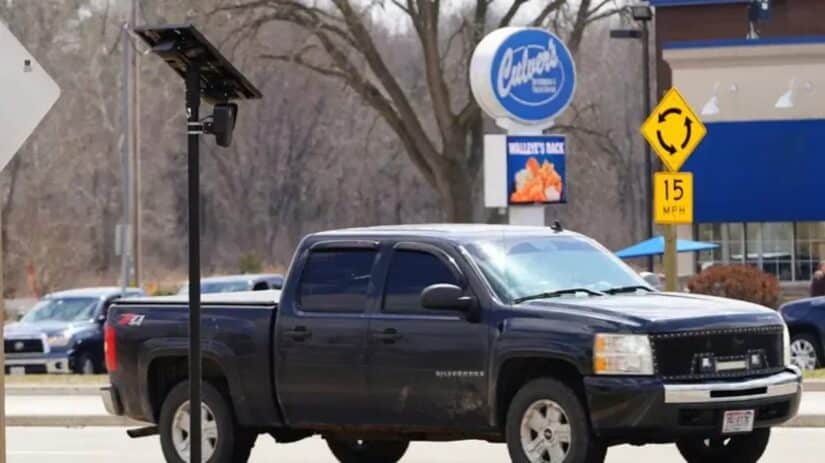
Across the United States, cities are taking action against Flock Safety, a company operating a vast network of automated license plate reader cameras. These cameras track millions of vehicles every day, raising concerns over privacy rights, civil liberties, and the role of federal agencies in accessing sensitive license plate data. Municipalities such as Evanston, Oak Park, and Austin have either canceled or scaled back Flock programs after discovering unauthorized access by immigration authorities and other federal immigration officials.
The Scope of Flock Safety Cameras
Founded in 2017 in Atlanta, Flock Safety has rapidly expanded, with estimates suggesting tens of thousands of cameras across more than 4,000 cities in the U.S. and 80,000–90,000 devices worldwide. The system includes AI-powered license plate readers and video systems that go beyond simple plate recognition. Each camera can capture vehicle make, color, distinguishing features, and in some cases, objects in the vehicle, forming a detailed vehicle profile. The technology also integrates with gunshot-detection sensors and other investigative tools, alerting law enforcement agencies to incidents in real time.
The scope of Flock Safety’s network has raised concerns about data sharing with federal government bodies, including immigration enforcement, and whether local laws adequately protect citizens’ privacy rights. Some critics argue that the system enables warrantless tracking and facilitates abuse by both local and federal agencies.
The Scope of Flock Safety Cameras
Flock Safety started in 2017 in Atlanta and expanded quickly. Today, it operates in over 4,000 cities across the U.S. The network includes tens of thousands of cameras worldwide. These systems use AI-powered license plate readers and video tools. They do more than capture license plates. Cameras also track vehicle color, make, and unique features. Some systems even detect objects inside vehicles. The platform connects with gunshot detection systems and other tools. It alerts law enforcement in real time. However, this wide reach raises serious concerns about data sharing and privacy.
Legal Challenges and City Council Actions
Several cities have taken action to address these concerns. In Evanston, officials ordered the removal of cameras after federal access violations. Later, some cameras returned, which triggered further legal action. Other cities like Austin, Denver, Oak Park, and Sedona reviewed or canceled contracts. In Denver, the city council rejected an extension, but the mayor approved it. This decision drew criticism from civil rights groups. These actions show growing concern over oversight and accountability.
Privacy Concerns and Civil Liberties
AI-powered license plate readers have raised strong privacy concerns. Critics argue that constant tracking can violate basic rights. In some cases, people misused the system for personal tracking or stalking. In Colorado, reports showed over 1,400 database searches in one year by federal agencies. Similar issues appeared in Illinois and Texas. These findings increased pressure for stricter rules and better monitoring.
Public Response and Media Coverage
Public backlash has shaped many policy changes. Residents have raised concerns about surveillance and data access. Media outlets have also reported on misuse and risks. Public figures and officials continue to push for accountability. These discussions highlight the need for responsible use of surveillance tools.
The Role of Federal and Local Agencies
The relationship between local police and federal agencies remains complex. Law enforcement supports these tools for safety reasons. However, civil rights groups demand transparency and regulation. Some federal agencies may access these systems, which raises legal concerns. As a result, many cities now review contracts and policies more carefully.
National Implications and Technology Trends
The debate around Flock Safety reflects a larger trend in surveillance technology. Cities now question how much tracking is acceptable. Some reduce programs, while others revise policies. The scale of this network continues to drive national discussions. Officials must balance public safety with privacy rights.
The Future of Surveillance Oversight
Flock Safety has started improving its systems and policies. The company now focuses on stronger compliance and better monitoring tools. It also limits certain federal access. At the same time, cities continue to evaluate these systems. They must decide how to balance safety, trust, and legal responsibility. The outcome will shape the future of surveillance across the country.
About Ted Law Firm
At Ted Law Firm, Firm provides reliable legal guidance and support to clients navigating complex issues.We proudly represent injury victims throughout Georgia, including Atlanta, Athens, Savannah, Columbus, Warner Robins, and Macon. Our experienced team ensures your rights and privacy are protected in every situation. We focus on understanding your needs and offering practical, actionable solutions. Whether you are dealing with disputes or regulatory matters, Ted Law Firm is committed to achieving favorable outcomes. Contact us today to schedule a consultation and safeguard your interests.Contact us today for a free consultation.