
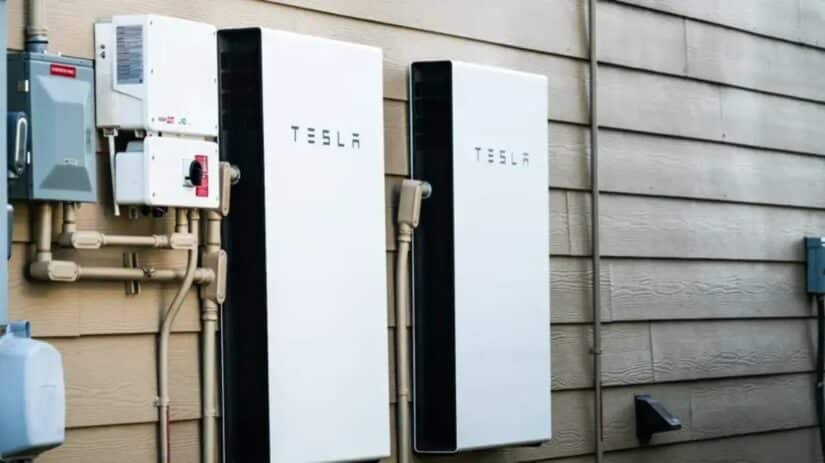
A nationwide class action lawsuit is raising concerns among homeowners and businesses who installed Tesla’s Powerwall 2 battery systems. According to the complaint, Tesla sold units with an internal defect capable of causing overheating, smoke emissions and even fires under ordinary operating conditions. The lawsuit alleges that Tesla not only knew about these risks but continued to sell and install thousands of affected units without disclosing the defect to consumers.
Background of the Tesla Powerwall 2 Class Action Lawsuit
Plaintiff Arthur Brown filed the class action on behalf of consumers nationwide who purchased Tesla Powerwall 2 battery systems later included in a 2023 recall. Brown alleges the Powerwall 2’s lithium-ion cells and associated components contain a defect that can cause:
- Overheating
- Smoke emissions
- Fires or combustion risks
According to the lawsuit, these issues can arise even during normal usage, meaning homeowners and businesses relied on systems that contained serious safety hazards.
The lawsuit includes claims for breach of warranty, unjust enrichment and violations of Florida consumer protection laws. Brown seeks a jury trial along with declaratory, injunctive, compensatory, statutory and punitive damages.
The Alleged Defect in the Powerwall 2
Lithium-ion batteries require precise engineering to prevent thermal runaway, a dangerous chain reaction that can lead to fire. The lawsuit alleges Tesla’s Powerwall 2 contains flaws in its internal battery cells or connected components, making overheating more likely.
According to the lawsuit, risks include:
- Temperature spikes
- Melting or smoke emission
- Fire hazards requiring emergency response
- Damage to the home or electrical system
- Loss of energy storage capability
Consumers purchased Powerwall systems for energy reliability and safety. The lawsuit argues that Tesla failed to uphold those expectations.
Did Tesla Know About the Defect
The complaint asserts that Tesla was aware of the issue long before taking public action. According to Brown, Tesla continued marketing and installing Powerwall 2 units while knowing they posed overheating risks.
The lawsuit claims Tesla:
- Identified the defect internally
- Failed to disclose the hazard to consumers
- Did not warn existing owners
- Continued selling units nationwide
- Delayed issuing an adequate recall
If these allegations are proven, Tesla may face significant liability for knowingly releasing a defective energy system into residential and commercial environments.
Tesla’s 2023 Recall: What It Included
In September 2023, Tesla issued a recall covering 10,500 Powerwall 2 units manufactured between 2020 and 2022. Brown’s Powerwall 2 was included in this group.
The recall involved:
- Remote discharge of Powerwall systems
- Limiting charge levels to near-zero to reduce overheating
- Software adjustments that reduced the risk of fire
No repairs, replacements or refunds were provided at the time of recall issuance.
Tesla implemented the updates electronically, reducing system function but not addressing the underlying hardware defect.
Why the Recall Remedy Is Allegedly Inadequate
The class action argues that Tesla’s recall response did not fix the battery defect and instead left thousands of consumers without usable power systems.
The lawsuit claims shortcomings include:
1. Loss of System Functionality
Discharging or limiting charge rendered the Powerwall 2 effectively useless for energy storage or backup power.
2. No Full Refunds
Tesla did not offer to repurchase units despite the severe loss of functionality.
3. No Compensation for Loss of Use
Owners were left without backup systems during outages, storms or grid failures.
4. No Reimbursement for Alternative Power Solutions
Consumers who had to purchase generators or temporary solutions received no assistance.
5. No Compensation for Time or Inconvenience
The recall process required communication, scheduling and troubleshooting without compensation.
According to the complaint, Tesla’s remedy prioritized minimizing corporate cost rather than restoring full value to consumers.
Impact on Homeowners and Businesses
Powerwall 2 systems represent a significant financial investment. Consumers rely on them for backup power, solar energy storage and long-term cost savings. When units become unreliable or unusable, households and businesses face immediate disruptions.
Reported impacts include:
- Concerns about fire or smoke hazards
- Inability to store solar-generated energy
- Unexpected reliance on the electrical grid
- Loss of resilience during storms or blackouts
- Costs associated with alternative backup power
- Reduced property energy efficiency
For solar-equipped homes especially, the absence of a functioning battery limits energy independence.
Legal Claims in the Tesla Class Action
Brown brings multiple claims on behalf of himself and all class members who purchased recalled Powerwall 2 units.
Claim categories include:
- Breach of warranty
The product did not perform as represented and was unsafe. - Unjust enrichment
Tesla allegedly profited despite knowingly selling defective units. - Violations of consumer protection laws
Specifically Florida statutes relating to deceptive or unfair practices.
The lawsuit seeks compensation for financial losses, loss of use, time, inconvenience and any property-related damages from overheating events.
Who Is Included in the Proposed Class?
The class includes all consumers in the United States who:
- Purchased one or more Tesla Powerwall 2 systems
- Owned units included in Tesla’s 2023 safety recall
- Suffered functional loss or safety concerns due to the defect
Because the Powerwall 2 is widely marketed nationwide, the class could potentially contain thousands of homeowners and small businesses.
Why Fire-Related Battery Defects Are Especially Serious
Lithium-ion battery fires pose risks beyond typical household electrical issues because:
- They burn extremely hot
- They xcan reignite after appearing extinguished
- They create toxic smoke
- They spread quickly through insulation or structural materials
- They require a different firefighting response
When a defect affects residential energy systems, the hazard extends to families, pets, property and neighbors.
Broader Implications for Tesla’s Energy Division
The Powerwall is central to Tesla’s long-term energy strategy. A large-scale defect and controversy may:
- Reduce consumer confidence in home battery safety
- Impact solar installation companies using Powerwall systems
- Increase regulatory oversight
- Trigger additional recalls
- Slow the adoption of residential energy storage solutions
The lawsuit suggests the recall was not sufficient to address the underlying safety issues. If confirmed, Tesla may need to implement a more comprehensive remedy.
What Consumers Should Do If They Have a Powerwall 2
Owners of Powerwall 2 systems affected by the recall may consider:
- Checking their system’s recall eligibility
- Reviewing Tesla’s recall documentation
- Monitoring for temperature warnings or performance issues
- Requesting written details of Tesla’s actions
- Documenting any outages or loss of energy storage
- Retaining receipts for alternative backup solutions
- Taking photos or videos of any system abnormalities
Consumers experiencing smoke, burning smells or overheating should contact emergency services immediately.
Potential Outcomes of the Class Action
Depending on evidence presented, the court could:
- Require Tesla to repair or replace defective units
- Require expanded recall efforts
- Award damages to impacted consumers
- Mandate clearer disclosures in future sales
- Implement long-term oversight of Tesla’s battery safety policies
The outcome may influence how energy storage systems are regulated nationwide.
About Ted Law Firm
At Ted Law Firm, supports individuals and families facing challenges involving product defects, recall complications and energy system failures.We serve families across Aiken, Anderson, Charleston, Columbia, Greenville, Myrtle Beach, North Augusta and Orangeburg. Our team understands the disruption and safety concerns caused by defective home technology and works to provide clear information during uncertain circumstances. We are committed to helping people understand their rights when defective products impact safety, property or daily life.Contact us today for a free consultation.