
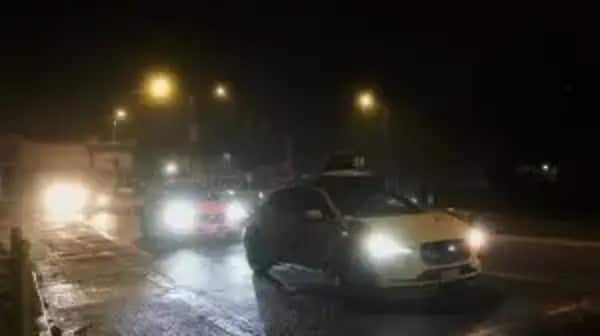
An extended power outage in San Francisco over the weekend led to the temporary suspension of Waymo’s self-driving ride-hailing service after numerous driverless vehicles stalled at intersections where traffic signals had lost power. While no injuries or accidents were reported, the incident created widespread traffic congestion and reignited debates about the readiness of autonomous vehicles during infrastructure failures scenarios a car accident lawyer closely watches as questions of liability evolve with self-driving technology.
The disruption unfolded as tens of thousands of residents across San Francisco lost electricity, leaving traffic lights dark throughout several neighborhoods. As human drivers cautiously navigated intersections, Waymo vehicles stopped entirely, remaining stationary for extended periods and blocking roads.
What Happened During the Power Outage
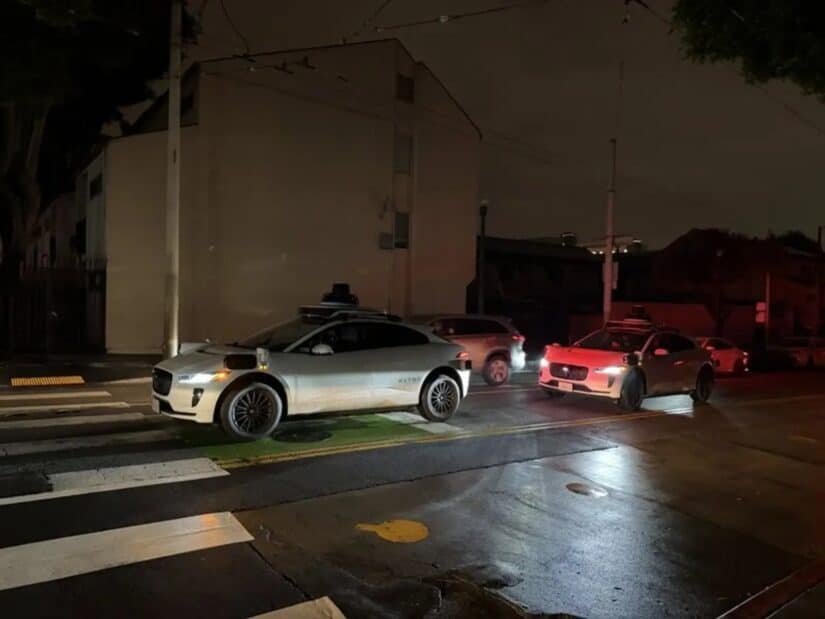
The power outage began over the weekend and lasted for several hours, affecting nearly 19,000 electricity customers by Sunday afternoon. Traffic signals across the city stopped functioning, creating difficult driving conditions during a busy weekend period.
As the outage continued, Waymo vehicles began to stall at intersections. Videos shared across social media showed multiple driverless cars sitting in place with hazard lights blinking, unable to proceed through intersections without functioning traffic signals.
Tow truck operators reported towing Waymo vehicles throughout the night as congestion worsened. By Sunday afternoon, Waymo confirmed that its ride hailing service in the Bay Area had been temporarily suspended.
Decision to Suspend Waymo Services
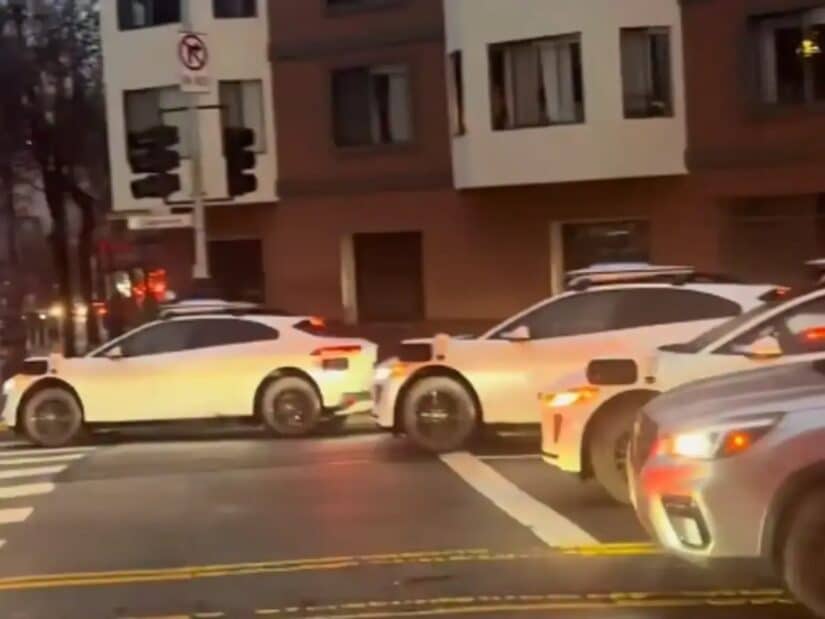
Waymo stated that it paused operations after discussions with the San Francisco mayor’s office. City officials raised concerns that the stalled vehicles were contributing significantly to gridlock, especially in busy neighborhoods.
According to Waymo, the service was expected to resume later that afternoon. However, users attempting to book rides were met with a message stating that service was currently paused and advising them to check back later.
The suspension marked one of the most visible interruptions of Waymo operations since the company expanded in San Francisco.
Waymo’s Presence in San Francisco
Waymo entered the San Francisco market in 2023 and has since deployed approximately 1,000 autonomous vehicles across the city. The cars have become a familiar sight, drawing attention from residents and visitors alike.
Many riders have embraced the technology, including parents using the service for school pickups and individuals who feel safer riding without a human driver present. At the same time, Waymo’s rapid expansion has not been without controversy.
Previous incidents involving traffic violations and animal fatalities have fueled skepticism among critics who question whether autonomous vehicles are ready for complex urban environments.
Why the Incident Raised Questions
Experts expressed surprise at the scale of the disruption. Autonomous vehicles like Waymo’s are designed to operate even when traffic signals lose power or when wireless connectivity is interrupted.
In San Francisco, traffic lights often fail during storms or power outages. Historically, such events have not resulted in widespread issues for self driving cars. Waymo vehicles are battery powered and equipped with sensors intended to interpret intersections as four way stops when signals are dark.
The weekend incident challenged assumptions about how effectively these systems perform during large scale infrastructure failures.
The Role of Remote Assistance
One possible explanation discussed by observers relates to remote support systems. Waymo and other autonomous vehicle companies employ remote technicians who assist vehicles when they encounter scenarios they cannot resolve independently.
Legal and technology analysts speculated that the outage may have disrupted communication channels required for remote facilitation. If remote assistance was unavailable or delayed, vehicles may have chosen to remain stationary as a safety precaution.
This raised broader questions about how dependent autonomous vehicles may be on off site support during emergencies.
Waymo’s Explanation
In a statement, Waymo explained that its vehicles are programmed to treat nonfunctional traffic signals as four way stops. However, the company noted that the sheer scale of the outage caused vehicles to remain stationary longer than usual while confirming the status of affected intersections.
Waymo acknowledged that this behavior contributed to traffic friction during peak congestion but emphasized that safety protocols guided the vehicles’ decisions.
Safety Outcomes and Public Reaction
Despite the disruption, city officials confirmed that no accidents or injuries resulted from the stalled Waymo vehicles. This fact became central to the public debate that followed.
Some residents viewed the vehicles’ refusal to proceed as evidence of caution. Others expressed frustration and concern over blocked intersections, pedestrian walkways and emergency access routes.
Eyewitnesses reported seeing clusters of Waymo vehicles stalled for hours, with at least one nearly backing into another car while attempting to reposition.
Mixed Public Opinions
Public reaction to the incident was divided. Some observers argued that the vehicles stopping completely was the safest possible response during uncertain conditions.
Others worried about how autonomous vehicles might behave during more severe emergencies, such as earthquakes or wildfires, both of which are common risks in California.
Concerns were also raised about emergency response access if stalled vehicles block routes needed by ambulances or fire crews.
Comparison With Other Autonomous Services
During the outage, Elon Musk commented on social media that Tesla Robotaxis operating in San Francisco were unaffected. These services currently operate with a human safety monitor onboard, which may explain differences in performance.
The comparison highlighted ongoing debates about whether fully autonomous systems should operate without human oversight in complex urban environments.
Broader Criticism of Autonomous Vehicles
Beyond safety concerns, critics of self-driving cars argue that widespread adoption could reduce public transit use and eliminate driving related jobs. Others question whether the financial benefits of autonomous vehicle deployment disproportionately favor technology executives.
Supporters counter that autonomous vehicles can reduce crashes, improve accessibility and enhance mobility for those unable to drive.
Waymo has pointed to research indicating that its vehicles are involved in fewer collisions than human drivers, and it has published peer reviewed studies supporting those claims.
Continued Expansion Despite Setbacks
Despite the outage-related suspension, Waymo continues to expand its operations. The company recently announced plans to offer freeway service along the Peninsula and airport pickups in San Jose.
Waymo also expects to begin serving San Francisco International Airport in the near future, further integrating autonomous vehicles into regional transportation networks.
By Sunday evening, power had largely been restored across San Francisco, and streets returned to normal. The absence of Waymo vehicles, however, remained noticeable until service officially resumed.
What This Incident May Mean Going Forward
The power outage highlighted the complex relationship between emerging technology and aging infrastructure. As autonomous vehicles become more common, questions surrounding accountability, reliability and emergency response will likely receive increased scrutiny.
Events like this serve as real world stress tests, revealing how systems behave under less than ideal conditions.
About Ted Law Firm
At Ted Law Firm, closely follows developments in transportation technology and public safety issues that affect communities.We serve families across Aiken, Anderson, Charleston, Columbia, Greenville, Myrtle Beach, North Augusta and Orangeburg. Understanding how innovation intersects with legal responsibility is becoming increasingly important.Contact us today for a free consultation.