
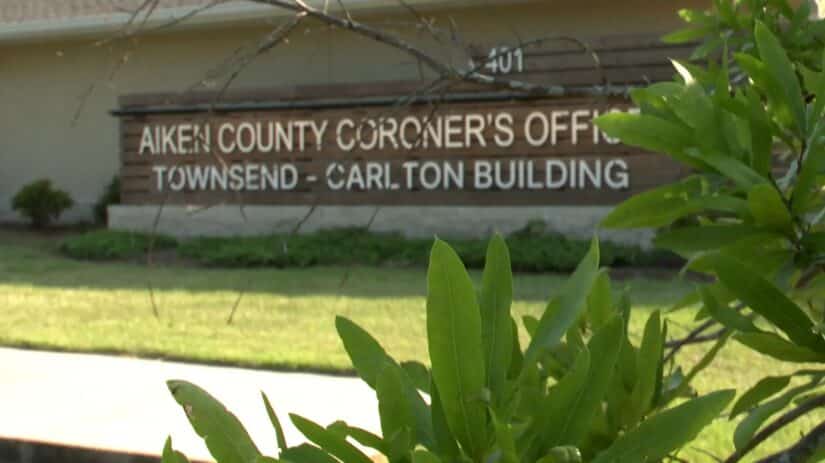
A tragic crash in Aiken, South Carolina has claimed the life of a 21 year old bicyclist, a case that a bicycle accident lawyer may later review when roadway safety and driver responsibility come into question. The Aiken County Coroner confirmed the victim’s identity as Noah Bloese-Bueno of Aiken. The fatal collision occurred on Hitchcock Parkway and remains under investigation by local authorities.
Bicycle accidents often result in severe or fatal injuries due to the vulnerability of riders. This incident highlights the serious risks that bicyclists and motorists face when sharing the roadway, particularly during nighttime hours.
What Happened on Hitchcock Parkway
According to officials, the crash occurred at approximately 9:31 p.m. on Hitchcock Parkway at Woods End Way. Officers with the Aiken Department of Public Safety responded to reports of a collision involving a bicyclist and a truck.
When officers arrived, they found the bicyclist unresponsive on the side of the road. Emergency medical personnel from Aiken County EMS pronounced the bicyclist deceased at the scene at 9:55 p.m.
Investigators determined that the bicyclist had been traveling east on Hitchcock Parkway when he crossed into the westbound lane. At that point, he was struck by a westbound 2000 Ford Ranger pickup truck.
The driver of the truck was not injured.
The Aiken County Coroner’s Office and the Aiken Department of Public Safety continue to investigate the circumstances surrounding the crash.
The Dangers of Bicycle and Vehicle Collisions
Bicyclists have little protection compared to occupants of motor vehicles. Even at moderate speeds, a collision between a bicycle and a truck can result in catastrophic injuries.
Common factors that contribute to bicycle crashes include:
- Limited visibility at night
- Lane positioning issues
- Driver inattention
- Failure to yield
- Speed
- Roadway lighting conditions
Nighttime crashes, such as this one, present additional challenges. Reduced visibility can make it harder for drivers to see bicyclists, especially if reflective gear or proper lighting is not used. At the same time, drivers are expected to maintain a proper lookout and operate their vehicles in a safe manner.
Understanding Fault in Bicycle Accidents
Determining fault in a bicycle crash requires careful investigation. Authorities often examine:
- Road markings and lane position
- Vehicle damage
- Skid marks
- Surveillance footage
- Witness statements
- Lighting and weather conditions
In this case, investigators reported that the bicyclist crossed into the westbound lane before being struck. However, the full findings of the investigation will determine whether any additional contributing factors were involved.
South Carolina follows a modified comparative negligence rule in civil cases. This means that fault may be assigned between parties based on the evidence. If a party is found to be more than 50 percent responsible, they may be barred from recovering damages in a civil claim.
Each accident is unique, and a thorough review of the evidence is critical in understanding liability.
The Impact of Fatal Bicycle Accidents
The death of a young individual has profound emotional and financial consequences for families. Fatal bicycle crashes often leave loved ones facing:
- Funeral and burial expenses
- Loss of financial support
- Emotional trauma
- Loss of companionship
- Long term grief
Wrongful death laws allow certain family members to pursue compensation when negligence contributes to a fatal accident. Civil claims are separate from any criminal investigation and focus on financial accountability.
Even when no criminal charges are filed, civil liability may still be examined.
Roadway Safety for Bicyclists and Drivers
Bicycle safety is a shared responsibility. South Carolina law requires motorists to exercise due care to avoid colliding with bicyclists. Drivers must provide safe passing distance and remain attentive to roadway conditions.
At the same time, bicyclists must obey traffic laws, ride in the proper direction of traffic, and use appropriate safety equipment, especially at night.
Key safety measures include:
- Using front and rear lights after dark
- Wearing reflective clothing
- Following lane rules
- Avoiding sudden lane changes
- Remaining alert to surrounding traffic
Community awareness and adherence to traffic laws play a critical role in reducing serious crashes.
Investigations in Fatal Traffic Collisions
When a fatal collision occurs, investigators conduct a detailed review to determine the sequence of events. This may involve accident reconstruction specialists who analyze speed, angle of impact, and roadway layout.
Authorities also review any potential contributing factors such as distraction, impairment, or mechanical failure.
The findings of such investigations can influence both criminal decisions and civil liability assessments.
In this case, the investigation remains ongoing, and officials have not announced any additional charges or findings.
Legal Considerations After a Bicycle Crash
Bicycle accident cases often involve complex legal and factual issues. Insurance coverage, fault allocation, and damage evaluation require careful attention.
When a fatality occurs, family members may need guidance on their rights and the legal options available to them.
Civil claims may seek recovery for:
- Medical expenses incurred before death
- Funeral costs
- Loss of income and benefits
- Emotional suffering
- Loss of companionship
Each case must be evaluated based on the specific facts and applicable state law.
Moving Forward After Tragedy
The loss of a 21 year old life is devastating. While legal proceedings cannot undo the harm, they can provide a structured path toward accountability and financial recovery where appropriate.
Traffic safety awareness remains essential for both motorists and bicyclists. Vigilance, adherence to traffic laws, and respect for shared roadways can help prevent future tragedies.
As the Aiken County Coroner’s Office and the Aiken Department of Public Safety continue their investigation, the community reflects on the importance of roadway responsibility and safety.