
Railroad crossings are essential parts of the transportation system across the United States. They allow road traffic and rail traffic to intersect safely when proper signals, barriers, and caution are observed. However, when something goes wrong at a crossing, the consequences can be severe. A recent incident in West Ashley, South Carolina, has once again brought attention to the risks associated with railroad crossings and the importance of roadway safety, situations that a personal injury lawyer may later examine when transportation accidents result in injuries or liability concerns.
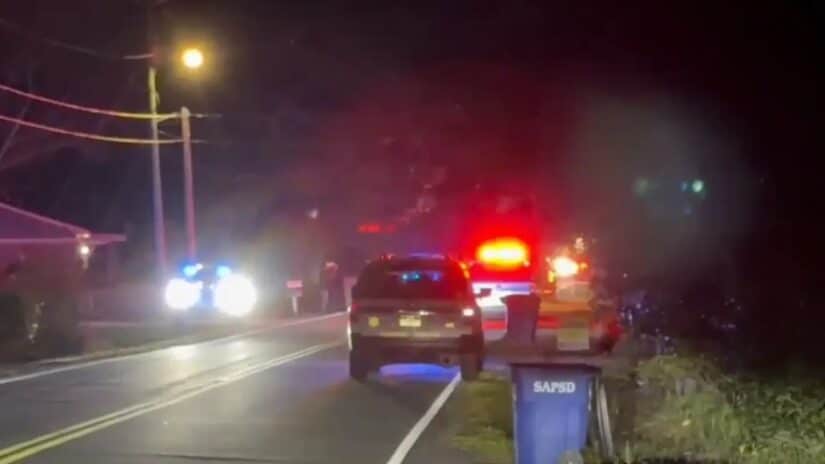
Early Thursday morning, emergency responders were called to a railroad crossing located on Sanders Road in West Ashley. The situation quickly drew the attention of local authorities and emergency crews as they worked to manage the scene and ensure the safety of everyone in the area.
This event highlights how quickly conditions at a railroad crossing can change and why awareness, caution, and infrastructure safety remain important for drivers and communities alike.
Early Morning Railroad Crossing Incident in West Ashley
According to initial reports, first responders were dispatched to a railroad crossing on Sanders Road shortly after 2 a.m. on Thursday morning. The crossing is located just off Bees Ferry Road, a commonly used route in the West Ashley area.
Dispatch information indicated that a traffic accident had occurred near the crossing. Emergency personnel responded quickly to assess the situation, provide assistance if needed, and secure the area. At the time of the report, local authorities had not released detailed information about the circumstances of the accident or whether anyone was injured.
Emergency crews often respond to railroad crossing incidents with urgency because these locations can present complex safety challenges. Vehicles, trains, signal systems, and roadway conditions can all play a role in how such incidents unfold.
As of the latest updates, officials were still gathering information about what led to the accident.
Why Railroad Crossings Are High Risk Locations
Railroad crossings represent one of the few places where road traffic directly intersects with train traffic. Unlike regular roadway intersections, trains require a much longer distance to slow down or stop. This makes timing and visibility extremely important.
Several factors contribute to the risks associated with railroad crossings:
Limited reaction time
Trains move quickly and cannot stop immediately. If a vehicle becomes stuck on the tracks or fails to clear the crossing in time, a collision can occur.
Driver misjudgment
Some drivers may underestimate the speed of an approaching train or attempt to cross the tracks before a train arrives.
Signal malfunctions
Although rare, warning lights, gates, or bells at crossings can sometimes malfunction or fail to activate properly.
Poor visibility
Darkness, fog, or physical obstacles near the tracks can make it difficult for drivers to see an approaching train.
Vehicle issues
Mechanical problems or stalled vehicles can leave a driver stranded on the tracks.
Because of these factors, railroad crossing accidents often result in significant damage and serious injuries.
The Importance of Railroad Crossing Safety
Every railroad crossing is designed with safety features intended to prevent accidents. These can include warning lights, gates that lower when a train approaches, pavement markings, and audible signals.
However, safety at these crossings depends not only on infrastructure but also on driver awareness.
Drivers approaching a railroad crossing should always slow down, look both ways, and obey all warning signals. If lights are flashing or a gate is lowering, drivers should never attempt to cross the tracks.
Rail safety organizations consistently emphasize the importance of patience and caution at crossings. Waiting a few extra seconds can prevent a dangerous situation.
Communities also play an important role by reporting damaged signals or visibility issues near railroad crossings so they can be addressed quickly.
Railroad Crossing Accidents Across the United States
Incidents at railroad crossings occur throughout the country each year. While safety technology has improved over time, accidents still happen due to a combination of human error, mechanical problems, and environmental factors.
Federal transportation data shows that many railroad crossing accidents involve passenger vehicles that attempt to cross the tracks after warning signals activate.
Other incidents occur when drivers become trapped between gates or when vehicles stall on the tracks.
In urban areas, crossings located near busy roads or intersections can create additional challenges. Traffic congestion may lead to vehicles stopping on the tracks if drivers are not careful.
These risks make it important for local authorities, transportation agencies, and railroad companies to continuously review crossing safety and make improvements where needed.
How Emergency Crews Respond to Railroad Crossing Incidents
When a railroad crossing accident occurs, emergency crews follow a structured response to ensure safety and prevent further danger.
First responders typically secure the scene and manage traffic flow to keep other vehicles away from the tracks. If a train is involved or expected to pass through the area, coordination with railroad operators is essential.
Medical teams evaluate anyone who may have been injured and provide immediate care if necessary. Fire departments may also assist in vehicle removal or hazard control if fuel leaks or other risks are present.
In some cases, investigators from local law enforcement or transportation agencies will examine the crossing and surrounding area to determine what happened.
These investigations help identify whether factors such as signal failures, driver behavior, or road conditions played a role in the incident.
The Role of Infrastructure in Preventing Accidents
Infrastructure plays a major role in reducing the likelihood of railroad crossing accidents. Properly maintained signals, gates, and signage help drivers recognize when it is unsafe to cross the tracks.
Many crossings across the country have been upgraded with advanced warning systems that activate earlier and provide clearer signals.
Some areas have also replaced traditional crossings with overpasses or underpasses to completely separate road traffic from train traffic. While these projects can significantly improve safety, they require major construction and funding.
Regular inspections of railroad crossings are also important to ensure that all safety systems function correctly.
When infrastructure issues are identified, quick repairs can help prevent accidents before they occur.
Legal Considerations After Railroad Crossing Accidents
Railroad crossing accidents often involve complicated legal questions. Multiple parties may be involved depending on the circumstances of the incident.
For example, liability could involve drivers, railroad operators, vehicle manufacturers, or government agencies responsible for maintaining the crossing.
Determining what happened requires careful review of evidence such as surveillance footage, signal records, accident reports, and witness statements.
In some cases, individuals injured in a railroad crossing accident may pursue legal action to recover compensation for medical expenses, lost income, and other damages related to the incident.
Because of the complexity of these cases, thorough investigation is often required to understand how the accident occurred and who may be responsible.
Ongoing Updates From Authorities
At the time the incident on Sanders Road in West Ashley was reported, authorities had not yet released complete details about the accident.
News outlets have reached out to local officials for additional information regarding injuries, property damage, and the events leading up to the emergency response.
As investigations continue, more details may emerge regarding what caused the accident and whether any safety concerns were identified at the crossing.
Community members who regularly travel through the area may also experience temporary traffic disruptions while crews complete their work and authorities review the situation.
Local residents are encouraged to follow updates from official sources for the most accurate information.
Safety Awareness for Drivers Near Railroad Crossings
Incidents like the one reported in West Ashley serve as a reminder of the importance of caution near railroad crossings.
Drivers can reduce risk by following several simple safety practices:
- Always slow down when approaching a railroad crossing
- Look both directions before crossing the tracks
- Never drive around lowered crossing gates
- Avoid stopping on the tracks during traffic congestion
- Move quickly across the tracks once it is safe to proceed
If a vehicle stalls on the tracks, drivers should exit the vehicle immediately and move away from the tracks while contacting emergency services.
These actions can help prevent injuries and protect both drivers and passengers.
Conclusion
Railroad crossings are critical intersections where road and rail transportation meet. While safety systems are designed to reduce risk, accidents can still occur when conditions change quickly or when drivers underestimate the dangers associated with these crossings.
The recent emergency response at the railroad crossing on Sanders Road in West Ashley highlights how important it is for drivers to remain alert near train tracks. Even a moment of hesitation or misjudgment can lead to a dangerous situation.
As authorities continue to gather information about the incident, the event serves as a reminder that safety at railroad crossings depends on both reliable infrastructure and responsible driving behavior.
Staying cautious and aware near train tracks can make a significant difference in preventing accidents and protecting lives.
About Ted Law Firm
At Ted Law Firm, is committed to helping individuals who have been harmed due to negligence or unsafe conditions on the road. We serve families across Aiken, Anderson, Charleston, Columbia, Greenville, Myrtle Beach, North Augusta and Orangeburg. Railroad crossing accidents can involve complex circumstances, and having knowledgeable legal guidance can help you move forward with confidence. Contact us today for a free consultation.