
View this post on Instagram
A California appeals court recently rejected a request for punitive damages against a former Red Hot Chili Peppers guitarist, who was involved in a fatal collision with a pedestrian. The ruling, covered by Courthouse News Service, underscores the legal boundaries of punitive damage awards, clarifies negligence standards in wrongful death suits, and highlights ongoing concerns about distracted driving in urban areas. Below is an in-depth look at the incident, the legal arguments surrounding punitive damages, and the broader implications for road safety.
Overview of the Fatal Collision
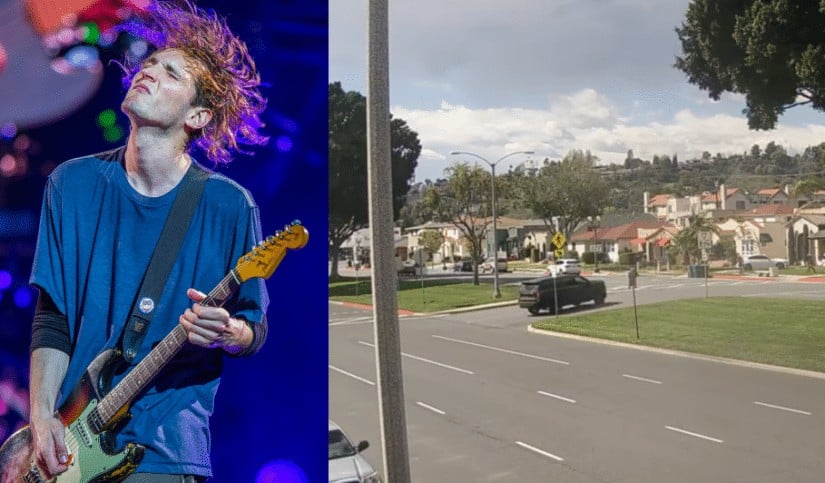
The tragic event centered on the ex-Red Hot Chili Peppers guitarist, whose SUV struck and killed a homeless man in Los Angeles. While initial reports questioned whether distracted driving played a role, no conclusive evidence emerged proving deliberate misconduct. This tragic incident attracted immediate attention due to the driver’s past involvement with one of rock music’s most iconic bands. Fans and observers alike followed the legal developments closely, debating accountability, negligence, and the line between everyday traffic accidents and grossly negligent conduct.
The Wrongful Death Lawsuit: Why Punitive Damages Were Sought
When a person dies due to another’s alleged negligence, family members often file wrongful death lawsuits seeking compensatory damages—payments intended to cover medical bills, funeral costs, and loss of companionship. However, in cases where the defendant’s behavior is seen as especially egregious or reckless, plaintiffs may also pursue punitive damages. These go beyond compensation and aim to punish the defendant and deter similar conduct.
The victim’s family argued that the ex-guitarist’s alleged inattention rose above mere negligence, given the devastating outcome. They contended that he had shown disregard for public safety significant enough to justify additional financial penalties, asserting that punitive damages would serve as a wake-up call to motorists about the serious risks of distracted driving.
The Wrongful Death Lawsuit: Why Punitive Damages Were Sought
When a person dies due to another’s alleged negligence, family members often file wrongful death lawsuits seeking compensatory damages payments intended to cover medical bills, funeral costs, and loss of companionship. However, in cases where the defendant’s behavior is seen as especially egregious or reckless, plaintiffs may also pursue punitive damages. These go beyond compensation and aim to punish the defendant and deter similar conduct.
The victim’s family argued that the ex-guitarist’s alleged inattention rose above mere negligence, given the devastating outcome. They contended that he had shown disregard for public safety significant enough to justify additional financial penalties, asserting that punitive damages would serve as a wake-up call to motorists about the serious risks of distracted driving.
California Appeals Court Ruling: Denial of Punitive Damages
Despite the family’s arguments, both the trial court and a California appeals court concluded that the musician’s actions did not meet the high legal threshold for punitive damages. Under California law, punitive damages typically require evidence of oppression, fraud, or malice or behavior so reckless it suggests a willful disregard for the rights or safety of others. In this case, the appellate court reasoned that while the musician may have been negligent, the facts did not demonstrate the level of malice or extreme recklessness necessary to impose punitive damages.
Key Takeaways from the Ruling
- High Bar for Punitive Damages: California courts reserve punitive damages for misconduct that goes far beyond standard negligence. Simple carelessness, even if it leads to a fatal outcome, often does not suffice.
- Clear Evidence Required: Plaintiffs must present compelling evidence of intentional or grossly negligent acts. Speculation or assumption about a driver’s mental state or level of inattention typically will not meet this standard.
- Scope of Liability: The ruling does not absolve the musician of civil liability altogether. Instead, it limits the family’s financial recovery to compensatory (actual) damages rather than punitive awards.

Negligence vs. Gross Negligence: Understanding the Legal Difference
This case depended on how the law defines negligence. Ordinary negligence means a person fails to act with reasonable care. Gross negligence goes further. It shows a clear disregard for a known risk.
In wrongful death cases, proving gross negligence can lead to higher damages. This often includes punitive damages. Courts look closely at the driver’s behavior before making this decision.
Ordinary negligence usually involves a small mistake or a brief lapse in attention. Gross negligence happens when someone knows the risk but still acts carelessly. This kind of behavior makes serious harm much more likely.
In this case, the court found that the driver’s actions did not reach that level. Because of this, the court denied punitive damages. This decision shows that courts carefully examine intent and behavior, even in fatal accidents.
Distracted Driving: A Serious Risk
Although the ruling focused on damages, distracted driving remains a major safety issue. Many accidents happen because drivers lose focus for even a few seconds.
Common distractions include:
- Using smartphones for texting or apps
- Adjusting GPS or car controls
- Eating or drinking while driving
Safety campaigns continue to warn drivers about these risks. However, incidents like this case remind us how dangerous even a small distraction can be. A single moment of inattention can lead to life-changing consequences.
The Impact on the Victim’s Family and Public Reaction
Even though punitive damages were denied, the victim’s family continues to cope with the loss of their loved one. Wrongful death actions may provide some financial relief, but no sum of money can truly compensate for a tragic and preventable death. Public opinion on this case was and remains divided:
- Sympathy for the Family: Many individuals and advocacy groups emphasize the injustice of a life lost in a possibly preventable collision.
- Debate Over Accountability: Some question whether celebrity status played any role in the legal outcome, though courts repeatedly emphasize that legal standards apply equally to all defendants.
- Distracted Driving Discourse: The musician’s fame amplified discussions on national road safety, drawing attention to the broader cultural issue of distracted driving.
At the Ted Law Firm we fight against these types of injustices for Wrongful Death and Car Accidents. Give us a call if you need help or just someone to speak to about such an incident.