
Let me break down this incredible case that’s unfolding in Oregon. I’ve seen some surprising cases, but this one stands out.
Here’s what happened: On October 27, 2022, William Hoesch, a 71-year-old cyclist, was riding westbound on West C Street in Rainier, Oregon. According to police reports, he was traveling 5-10 mph down a hill, with an ambulance from Columbia River Fire & Rescue moving slowly ahead of him.
The details here are crucial: Hoesch, seeing the slow-moving ambulance, made what most cyclists would consider a reasonable decision he began passing on the right side, assuming the ambulance was continuing straight. That’s when things went wrong and was struck by the ambulance. According to the lawsuit filed on October 24, 2023, the ambulance made a sudden right turn without warning, leaving Hoesch no time to react.
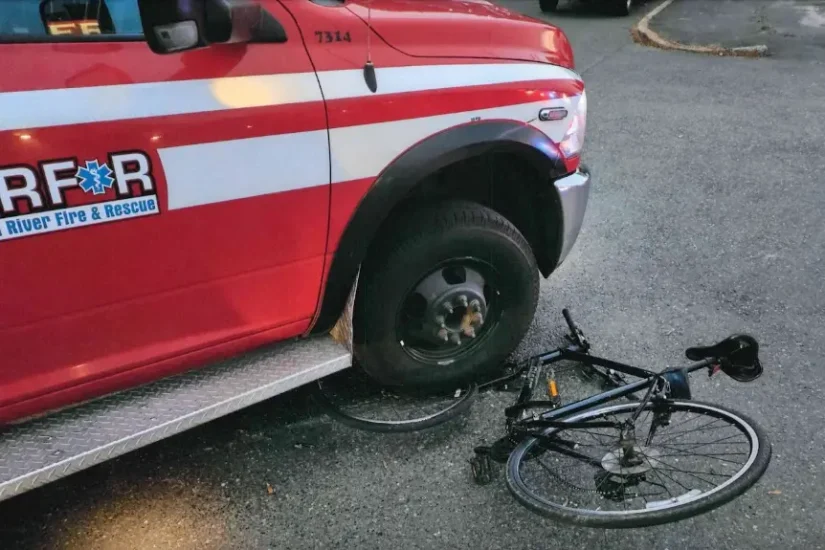
The collision report is particularly interesting. The ambulance driver stated they were moving at just 2-3 mph during the turn and believed their turn signal was on. After the incident, the driver even voluntarily took a breath test at the police department, which showed a 0.00% blood alcohol content – demonstrating clear concern for transparency.
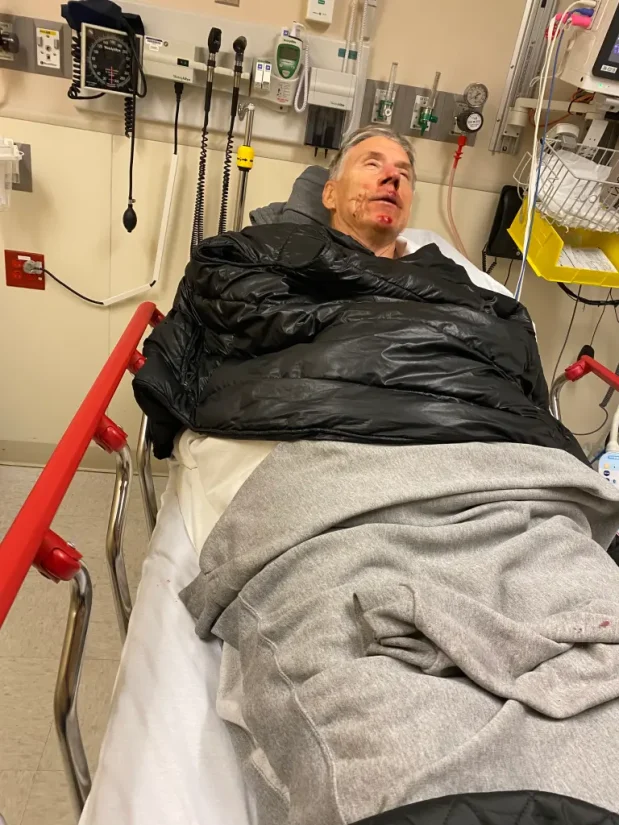
The impact destroyed Hoesch’s bicycle and left him with significant injuries – facial fractures, damage to his left hand and hip, and diaphragm injuries. He was bleeding and needed immediate medical attention. Here’s where the story takes an almost unbelievable turn: the same ambulance crew that hit him provided medical assistance and transported him to the nearest hospital – then sent him a bill for $1,862 for the ride.
The ongoing effects are severe: Hoesch is experiencing chronic pain, stiffness, reduced grip strength, and limited range of motion. His medical bills have already reached $47,000, with another $50,000 in anticipated future medical expenses. That’s nearly $100,000 in medical costs alone.
His lawsuit seeks $997,000 in total damages – a number that reflects not just the medical expenses, but the significant impact on his quality of life and daily activities. As someone who regularly handles these cases, I can tell you this figure aligns with the severity of the injuries and ongoing impairments.

Official Response from Columbia River Fire & Rescue
Columbia River Fire & Rescue has acknowledged the incident. However, the department has taken a cautious approach. It referred the case to its legal team and insurance provider.
This step follows standard procedure. Still, the department has not denied the core facts of the case. That detail makes the situation more significant.
Legal Concerns and Accountability
This case raises serious legal questions. The ambulance reportedly turned in front of a cyclist, which points to a clear liability issue.
At the same time, the department billed the injured cyclist for the ambulance ride. This decision adds another layer of concern. The transport became necessary due to the incident itself.
From a legal perspective, this combination makes the case unusual. It highlights both responsibility and the consequences of that responsibility.
Broader Impact on Public Safety
This situation goes beyond compensation. It focuses on accountability within emergency services. These services play a critical role in the community. However, they must still follow proper safety protocols.
The outcome of this case could shape future interactions between emergency responders and vulnerable road users, especially cyclists. It may also influence how similar cases are handled moving forward.
Your Perspective
What do you think about this situation? Do you believe the ambulance service should bill the victim in such cases?
Your perspective on this issue can help highlight broader concerns about fairness and accountability.