

In 2023, South Carolina lawmakers proposed a new bill to expand automatic license plate readers (ALPRs). The goal was to improve public safety and support law enforcement investigations.
However, the state later paused the widespread rollout. Officials raised concerns about data privacy and unclear regulations. As a result, the bill did not pass.
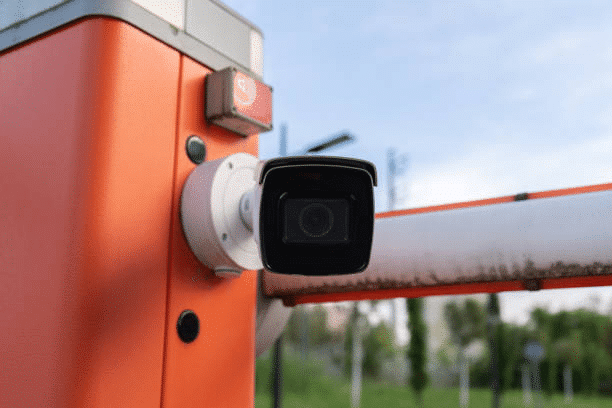
The proposal aimed to allow agencies to install ALPR cameras across public roads and highways. These systems would collect and store license plate data. Authorities could then track stolen vehicles, locate suspects, and monitor traffic patterns.
Meanwhile, nearby states have already moved forward. For example, North Carolina actively uses these systems on highways and public roads. In addition, agencies use them for toll collection, speed enforcement, and evidence gathering.
Tracking and Real-Time Monitoring of Traffic
Modern license plate cameras provide powerful tracking capabilities. Law enforcement agencies access both real-time and stored data.
For instance, police departments and federal authorities review license plate scans through centralized systems. These databases store and share information across approved jurisdictions.
On major roadways like the Ohio Turnpike, officials use these systems to enforce speed limits and monitor traffic. They also detect disabled vehicles and track towing activity.
Beyond enforcement, agencies use ALPRs for traffic analysis. These tools help manage congestion and identify hazards. Moreover, they support smoother traffic flow by working alongside traffic signals and control systems.
Legal Landscape: Privacy and Reasonable Suspicion

The use of ALPRs raises important legal questions. Many concerns focus on privacy and surveillance.
Courts in the United States generally hold that drivers have limited privacy on public roads. Therefore, authorities can monitor vehicle movement in many situations.
However, concerns still exist. Critics question how agencies collect, store, and use this data.
Some states have already taken action. For example, Rhode Island enforces strict data storage limits and requires regular audits. In addition, privacy policies now face closer scrutiny.
In certain cases, courts may reject evidence if authorities fail to follow proper procedures. As a result, lack of transparency can weaken legal cases.
Law Enforcement Protocols and Traffic Devices
Law enforcement agencies rely on multiple tools to manage road safety. Officers use digital recording devices, testing equipment, and traffic control systems.
They also respond quickly to road hazards. For example, officers coordinate with towing companies to clear disabled vehicles.
These tools help officers build a valid basis for stops and citations. Courts continue to support enforcement actions when officers follow proper legal standards.
Interagency Collaboration and Data Oversight
Agencies across different states often work together. They share data under strict rules and supervision.
Only authorized personnel can access license plate information. In addition, officials audit all access requests to maintain security.
Organizations like the Department of Homeland Security and national policing groups support these efforts. As a result, agencies maintain better coordination and data control.
Customer Service and Toll Enforcement
Toll systems also rely on license plate technology. When drivers violate toll rules, authorities issue notices based on captured images.
Drivers can resolve these notices online or at service centers. In some cases, errors occur due to unclear images. Therefore, agencies allow drivers to dispute incorrect charges.
This process ensures fairness and maintains public trust.
Public Service Roles and Judicial Oversight
Many professionals support traffic safety systems. These roles include monitoring signals, managing traffic flow, and assisting law enforcement.
At the same time, courts continue to review how agencies use ALPR data. Judges now pay closer attention to privacy concerns and legal standards.
As laws evolve, both legislation and public awareness will shape future use of this technology.
Balancing Technology and Privacy
Automatic license plate readers continue to transform traffic management. They improve enforcement, support toll systems, and enhance road safety.
However, authorities must balance these benefits with privacy rights. Issues like data use and surveillance remain central to the debate.
As more states adopt this technology, the discussion will continue. For now, ALPR systems remain a key part of modern transportation, supported by legal oversight and public scrutiny.
Get the Legal Help You Deserve Contact Ted Law Today!
If you’ve been affected by issues involving a towing company, or had your rights violated under the Government Data Collection and Dissemination Practices Act, it’s time to take action. Whether you’re dealing with concerns around privacy policy compliance, a Privacy Impact Assessment Report, or actions taken by a person in charge within a competent jurisdiction, Ted Law Firm is here to help.
At Ted Law Firm, we care about your healing and your future. We proudly help people in Atlanta, Columbus, Macon, Athens, Savannah, Warner Robins, and all of Georgia! We advocate for accident victims across South Carolina and Georgia. When a devastating crash turns your world upside down, you can count on Ted Law Firm to stand by your side and provide the trusted legal support you deserve.
Don’t wait. No person should face these challenges alone.
Ted Law stands with you, backed by legal insight and determination.
Call us now or schedule a free consultation. Your path to justice starts today.