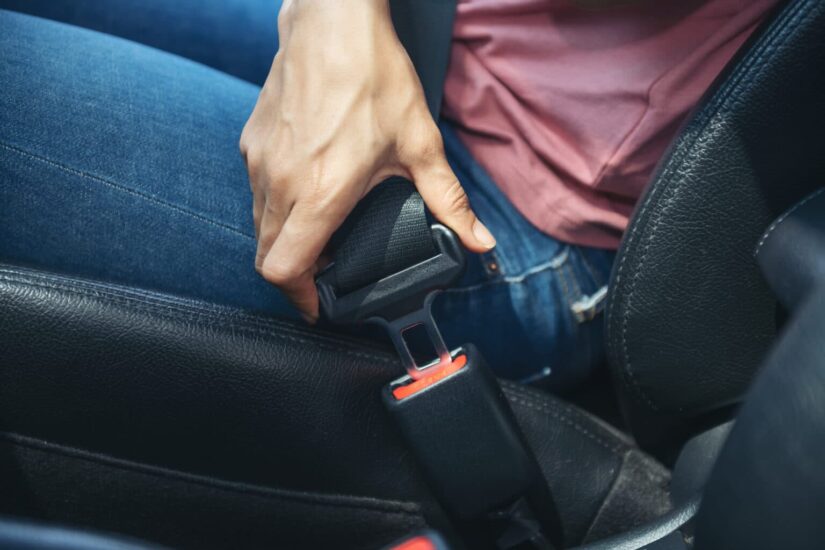
Understanding South Carolina Seatbelt Law
South Carolina law requires all front-seat passengers to wear a seatbelt under S.C. Code § 56-5-6520. If someone fails to follow this rule, authorities may issue a traffic ticket. However, this rule works differently in personal injury cases. The law clearly states that not wearing a seatbelt does not count as contributory negligence. It also does not reduce your compensation in most cases.
What This Means for Your Case
Even if you did not wear a seatbelt, the other party cannot use that fact alone to reduce your claim. Courts focus on what caused the accident, not on seatbelt use. Therefore, liability depends on the actions of the driver who caused the crash. This rule protects victims and ensures fair evaluation of claims.
Comparative Negligence in South Carolina
South Carolina follows a modified comparative negligence rule. You can recover damages if you are less than 51% at fault. However, your compensation decreases based on your share of fault. For example, if you are 20% responsible, you will receive 80% of the total award. If your fault reaches 51% or more, you cannot recover damages.
How Seatbelt Use May Be Argued
Although the law protects you, the defense may still try to raise the seatbelt issue. They might claim your injuries became worse because you did not wear one. However, courts rarely accept this argument without strong proof. The defense must show clear medical evidence that a seatbelt would have reduced the injury. In most cases, this argument does not succeed.
How Seatbelt Use Affects Claims
Seatbelt use can influence some parts of a claim, but it does not decide liability. Key areas include:
- Liability: Courts focus on driver behavior such as speeding or distraction
- Damages: Qualified professionals may argue injury severity, but success is limited
- Insurance negotiations: Insurers may try to reduce payouts using this point
Because of this, strong legal representation becomes important during negotiations.
Your Right to Compensation
You still have the right to seek compensation after an accident caused by someone else. This applies even if you were not wearing a seatbelt. You may recover damages for medical bills, lost income, and pain and suffering. In addition, you can claim compensation for emotional distress and property damage. The strength of your evidence will directly affect your outcome.
What to Do After a Car Accident
Taking the right steps after an accident can protect your claim and improve your chances of success:
- Seek medical attention immediately
- Take photos of the accident scene and injuries
- Collect witness details and police reports
- Avoid admitting fault at the scene
- Consult a personal injury attorney
These steps help build a strong case and support your claim.
Common Myths About Seatbelt Laws
Many people misunderstand how seatbelt laws affect claims. However, the truth is different from common beliefs. Not wearing a seatbelt does not automatically make you at fault. It also does not prevent you from filing a claim. In addition, the other driver cannot easily blame your injuries on seatbelt use without strong evidence.
Conclusion
South Carolina law protects accident victims, even if they did not follow seatbelt rules. The main issue in any claim is who caused the accident. Courts do not deny compensation just because someone did not wear a seatbelt.
If you were injured in a crash that was not your fault, you should still explore your legal options. Acting quickly and seeking legal guidance can help you secure fair compensation.
Contact Ted Law Firm
If you or a loved one suffered injuries in a South Carolina car accident, you should not wait. Ted Law Firm can guide you through the legal process and help you pursue the compensation you deserve.