
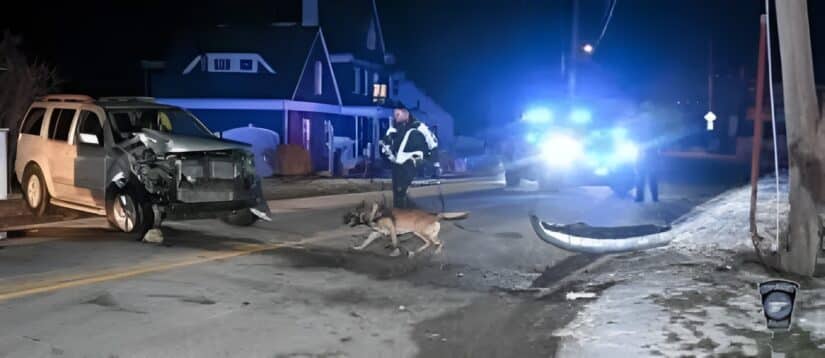
In a bold move toward safer streets, police in Cohasset, Massachusetts, are implementing a new Emergency Alert System. This system directly interacts with vehicles and traffic infrastructure to curb auto accidents. It is part of a broader shift toward smarter, more connected cities, leveraging Wireless Emergency Alerts, Cell Broadcast, and elements of the Integrated Public Alert and Warning System to inform and protect. Hopefully, this will prevent the increased need for Car Accident Lawyers.
Not only can this tech send emergency messages and reroute traffic, it can also lower car audio through the infotainment system. Additionally, it communicates with connected devices to reduce distractions, proving its Safety impact almost instantly.
The Technology: What’s Under the Hood?
The tech relies on vehicle-to-everything (V2X) communication. Here’s what it does:
- Sends Emergency Alert System messages to cars and mobile phones nearby.
- Works in sync with 911 dispatch centers, improving disaster response times.
- Uses Common Alerting Protocol to unify messages across social media platforms, mainstream media outlets, and even NOAA weather radio.
- Automatically controls traffic lights through city systems and adjusts infotainment system audio levels.
- Collaborates with navigation apps and IoT devices to route traffic more efficiently.
This holistic approach ensures timely alerts via multiple formats. These include Reverse 911, reverse 911 systems, and Wireless Emergency Alerts, which deliver hazard-related information in seconds.
Why It Matters More Than Ever
Distracted driving is an epidemic. Loud music, phone use, or reliance on navigation apps often keeps drivers from hearing sirens. In emergencies, a few seconds of delay can have deadly consequences.
The new system acts like a digital siren that can’t be ignored. It can mute entertainment via the infotainment system, flash alerts across devices, and update social media accounts in real time. Such functions have a far-reaching Safety impact, especially for first responders and vulnerable road users laws.
How Cohasset Police Are Leading the Way
Partnering with vendors and state departments like the Massachusetts Emergency Management Agency and Massachusetts State Police, Cohasset is now a testbed for smart traffic alerts. Officers have tools interacting with Lane-centering features, partial automation systems, and mirror data protocols used in Tesla’s Autopilot and Volvo’s Pilot Assist.
These integrations make traffic movement smoother while safeguarding first responders rushing toward a crisis.
Public Reaction and Legal Considerations
Reactions are mixed. Some applaud the new system’s ability to boost Attention reminders and prevent delays. However, others are concerned about personal freedom, especially when audio is reduced or messages are pushed through mobile WiFi hot spots or public cellular connections.
Legally, cities must evaluate:
- Safety feature compliance
- Privacy protection in connected devices
- Integration with public education campaigns
- Responsibilities of tow companies, parking system operators, and Complete Street Program authorities
Should there be a malfunction, questions will be raised around liability. This is especially true when involving automatic crash notification, advanced automatic crash notification, or crash detection features.
How It Helps Emergency Teams
The tech empowers first responders. It provides access to real-time data, improving disaster response, minimizing bottlenecks, and alerting drivers through Wireless Emergency Alerts and Emergency Alert and Warning Systems.
Officers have reported major improvements in navigating Main Street corridors and dense intersections like those in Worcester County Sheriff jurisdictions.
The system even enables emergency vehicles to bypass blocked lanes while sending Attention-related warnings to drivers. This occurs through phones or connected devices.
Potential Nationwide Rollout
After successful deployment in Cohasset, cities across the U.S., especially those participating in the Picture Main Street initiative, are looking at replicating the program. Data from SOS button activations, automatic crash notification, and common alerting protocol events will help shape national standards.
Expect future expansions to include cities testing integration with Volvo’s Pilot Assist, Tesla’s Autopilot, and traffic tech aligned with Walker Parking Consultants and Accessible parking innovations.
Impact on Driver Behavior
This tech may influence behavior more than traditional alerts ever could. By integrating with IoT devices, broadcasting across social media, and engaging with both U.S. Coast Guard and weather, alert, and response network Act compliance partners, the system could soon be tied into driver risk profiling.
Drivers ignoring alerts may one day be held accountable by social media platforms or via data gathered during accidents.
Education and Future Safety Measures
To prepare the public, local governments may launch public education campaigns. These would cover how the Emergency Alert System, NOAA weather radio, Reverse 911, and Wireless Emergency Alerts work, and how they tie into Vulnerable Road Users laws and Snow management systems.
Smart integrations like Bicycle lanes routing, Accessible parking, and parking system updates will play a bigger role. This is as Attention reminders and cellular connections become more embedded in daily driving experiences.
About the Te d Law Firm
The Ted Law Firm continues to monitor advancements in Emergency Alert and Warning Systems, traffic safety technology, and their legal implications. We serve families across Aiken, Anderson, Charleston, Columbia, Greenville, Myrtle Beach, North Augusta and Orangeburg. Our commitment is to stay ahead of evolving risk patterns and educate the public on their rights. This is especially important in a world of partial automation systems and connected safety tech .Contact us today for a free consultation