
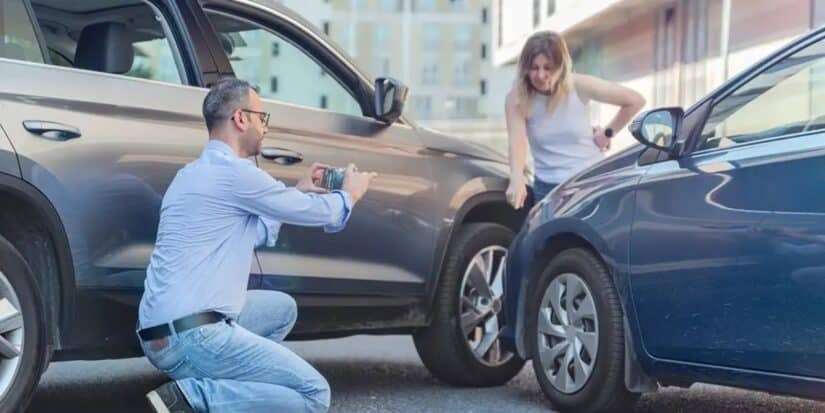
Each season brings its own set of driving challenges, and across the Southeast, weather shifts and changing daylight patterns contribute to an increase in seasonal car accidents. Reduced visibility, deer crossings, and slick road conditions are three of the most common hazards that lead to collisions during fall and winter months. Understanding these risks, and knowing how to prepare can significantly lower your chances of being involved in a crash, according to insights often emphasized by car accident lawyers who see these seasonal patterns reflected in real-world cases.
Why Seasonal Accidents Increase During Fall and Winter
Seasonal changes influence driving conditions in multiple ways. Shorter days decrease visibility, cold weather affects road surfaces and wildlife becomes more active near roadways. These factors often overlap, creating environments where drivers must react quickly.
Key seasonal risks include:
- Earlier sunsets reducing visibility during evening commutes
- Fog and low light conditions during early morning hours
- Increased deer movement due to mating and migration seasons
- Rain, frost and occasional ice making roads slick
- Leaf buildup on certain roads creating slippery conditions
- Drivers unfamiliar with seasonal hazards being caught off guard
Understanding these patterns helps drivers adjust strategies accordingly.
Reduced Visibility: A Leading Cause of Seasonal Collisions
When daylight hours shorten, drivers spend more time navigating in low-light conditions. Reduced visibility makes it harder to detect pedestrians, cyclists, wildlife and vehicles, especially on rural or poorly lit roads.
Contributing factors to reduced visibility accidents:
1. Glare from Setting or Rising Sun
Low sun angles can temporarily blind drivers, reducing reaction time.
2. Fog and Morning Haze
Moisture buildup overnight commonly creates heavy fog during fall and winter mornings.
3. Rainstorms and Cloud Cover
Weather fronts during colder months can drastically reduce visibility within moments.
4. Dim or Inadequate Street Lighting
Not all roads are illuminated equally, increasing danger on rural routes.
How to avoid accidents caused by reduced visibility:
- Use headlights earlier in the day
- Maintain larger following distances
- Slow down when visibility drops
- Keep windshields clean, inside and out
- Replace worn wiper blades
- Avoid high-beam use when opposing traffic is present
When drivers cannot see clearly, small misjudgments can quickly lead to major collisions.
Deer Collisions: A Major Hazard in Fall and Winter
Deer activity spikes dramatically during late fall and early winter due to breeding season and migration patterns. These animals often move unpredictably and can enter roadways quickly, leaving drivers little time to react.
Why deer-related crashes increase seasonally:
- Peak mating season in October through December
- Shorter daylight hours forcing deer to move during commute times
- Cooler temperatures triggering migration between feeding areas
- Roadside vegetation shrinking, pushing wildlife closer to roads
How to reduce deer collision risks:
1. Stay alert during dawn and dusk
These are the most active hours for deer movement.
2. Slow down in deer-crossing zones
Signs are placed based on high historical activity.
3. Do not swerve sharply
Many fatal crashes occur when drivers lose control while reacting to deer.
4. Expect more than one deer
They often travel in groups, especially does and yearlings.
5. Use high beams when appropriate
High beams help identify glowing eyes earlier.
Collisions with deer can cause severe vehicle damage, injuries and, in some cases, multi-vehicle crashes.
Slick Roads: Rain, Ice and Unexpected Hazards
Even in warmer regions, slick roads are a common cause of winter accidents. Rain, frost and intermittent cold snaps can create surfaces where tires lose traction without warning.
Common causes of slick road conditions:
- Early morning frost on bridges
- Rain mixing with oil buildup on road surfaces
- Occasional ice patches in shaded areas
- Wet leaves causing slipperiness similar to ice
- Sudden temperature drops creating thin ice layers
How to avoid accidents on slick roads:
- Reduce speed during rain or frost events
- Avoid sudden braking or sharp turns
- Increase stopping distances significantly
- Check tire tread depth and pressure regularly
- Use gentle steering inputs
- Be especially cautious on bridges and overpasses
Slick road crashes often occur because drivers underestimate how long it takes their vehicle to stop or turn on wet or icy surfaces.
The Dangerous Combination of Multiple Seasonal Hazards
Many of the most serious seasonal crashes happen when hazards overlap, for example, reduced visibility combined with slick roads or fog combined with deer activity.
High-risk scenarios include:
- Early morning fog limiting visibility on frost-covered roads
- Deer crossing during dusk or nighttime in heavy rain
- Wet leaves accumulating near curves on poorly lit streets
- Sun glare obscuring hazards during evening rush hour
Drivers should recognize when environmental factors align and adjust driving behavior accordingly.
Why Seasonal Hazards Impact All Driver Types
Whether a driver is experienced or new to the road, seasonal hazards force everyone to adapt. Even confident, cautious drivers can encounter dangerous conditions unexpectedly.
Drivers most affected include:
- Commuters traveling during dawn and dusk
- Teenage drivers with limited seasonal experience
- Elderly drivers who may struggle with glare or quick reactions
- Vacation travelers unfamiliar with local wildlife and weather patterns
- Commercial drivers managing larger vehicles on slick roads
Seasonal changes elevate risk across all skill levels, making awareness essential.
Vehicle Preparation for Seasonal Safety
To reduce accident risk, drivers should ensure their vehicles are prepared for seasonal changes.
Important steps include:
- Checking tire tread and replacing worn tires
- Maintaining proper tire pressure in cold weather
- Ensuring headlights and taillights are functioning
- Replacing old wiper blades
- Keeping defrosters in good working order
- Cleaning headlights and windshields regularly
A well-maintained vehicle increases visibility and improves control during difficult weather.
How Seasonal Accidents Affect Drivers and Families
Seasonal crashes often cause significant disruption for families due to injuries, vehicle damage and insurance challenges. Victims may face:
- Lost work time
- Medical expenses
- Unexpected towing or repair costs
- Long-term injuries from collisions on slick roads
- Stress from navigating insurance claims
Understanding these seasonal hazards helps reduce risk but does not eliminate it entirely.
What to Do If You’re Involved in a Seasonal Accident
After a collision involving reduced visibility, deer or slick roads, drivers should:
- Move to a safe area if possible
- Call law enforcement
- Document the scene with photos and video
- Seek medical evaluation even for minor symptoms
- Notify your insurance company promptly
- Save all records related to repairs and treatment
Accurate documentation is crucial, as insurers often question liability in seasonal accidents.
About Ted Law Firm
At Ted Law Firm, supports drivers and families who are dealing with the aftermath of seasonal car accidents.We serve families across Aiken, Anderson, Charleston, Columbia, Greenville, Myrtle Beach, North Augusta and Orangeburg. We understand the unique challenges posed by reduced visibility, wildlife collisions and weather-related hazards. Our team offers guidance to help individuals understand their options and navigate the often confusing process that follows a collision.Contact us today for a free consultation.