

A tragic crash in Charleston County in 2022 that deeply affected the Dantzler-Williams family and shook South Carolinians has now reached a legal milestone. Former Charleston County Sheriff’s Deputy Emily Pelletier was found guilty of three counts of reckless homicide for her role in a fatal crash on U.S. Highway 17. The jury’s decision, delivered after jury selection and a compelling jury trial, marked a moment of both accountability and grief for a community still reeling from the loss of three beloved women.
What Happened on the Night of the Fatal Crash?
The incident occurred late on May 8, 2022, Mother’s Day, around 11 p.m. Pelletier was responding to a 911 call involving a disabled vehicle when her Charleston County patrol car reportedly ran a stop sign at high speed on U.S. Highway 17 near New Road and Savannah Highway, violently colliding with another car.
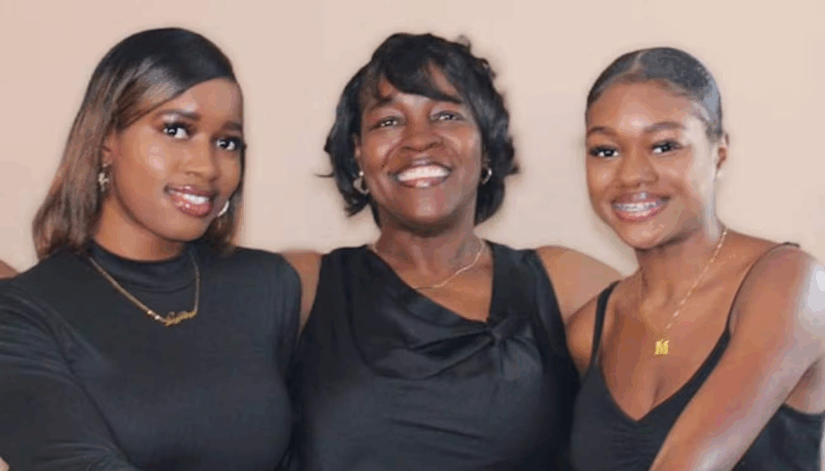
The victims were:
- 53-year-old Stephanie Dantzler
- 28-year-old Shanice Dantzler-Williams
- 22-year-old Miranda Dantzler-Williams
These members of the Dantzler-Williams family were pronounced dead at the crash scene, leaving behind mourning relatives and a grieving Charleston County community. The family had ties to Claflin University and were traveling home after spending the day together. The crash on southbound Highway 17 was so severe that even veteran first responders described it as one of the worst they’d ever seen.
Critical Trial Highlights
After jury selection ended, the courtroom turned into a battle of opposing arguments. The reckless homicide trial included emotional testimony, crash footage, and expert analysis. In addition, both sides presented detailed explanations of what led to the fatal incident. Therefore, the case quickly became complex and highly contested.
Prosecution’s Case
Solicitor Elliot Barrow and Solicitor Jennifer Shealy focused on key factors that pointed to negligence. First, they argued that Pelletier drove at excessive speed, with estimates reaching 83 mph in a 45 mph zone. They also stated that she failed to obey a stop sign.
Moreover, they claimed she relied heavily on her CAD navigation system, which may have distracted her. According to the prosecution, her emergency lights were not active. As a result, visibility became a serious issue on a dark road.
Accident expert Gerry McDevitt supported this claim. He explained that without proper lighting, the vehicle would remain hard to see until the final moment. Therefore, the prosecution emphasized that these combined factors led to the crash.
The Defense Strategy
Defense attorney Francis Cornely presented a different perspective. He described the incident as a tragic accident rather than a criminal act. First, he stated that Pelletier responded to a disabled vehicle. He also noted that she was unfamiliar with the area, which may have affected her judgment.
In addition, the defense highlighted difficult nighttime conditions. They argued that these conditions created a perfect environment for an accident. Furthermore, they suggested that emergency lights may have been active.
The defense also raised concerns about the victims’ condition. They pointed to a reported blood alcohol level of 0.188%. However, the prosecution challenged this claim. They argued that the sample may have been contaminated, which made it unreliable. Therefore, the court had to consider conflicting interpretations.
Accountability and Public Service Concerns
This case raised broader questions about law enforcement responsibilities. It did not only focus on one incident but also highlighted systemic concerns. For example, many questioned whether officers receive enough training for high-speed driving.
In addition, the case raised concerns about CAD systems and their potential to distract drivers. Some also asked whether laws should change when government vehicles cause fatal accidents. Therefore, the discussion extended beyond the courtroom.
Families of the victims also took legal action. They filed a wrongful death claim to seek further accountability. In many cases, civil lawsuits provide additional justice when criminal charges feel insufficient.
Broader Safety Considerations
The incident also sparked discussions about road safety. People began to question whether certain roads need better lighting or clearer signage. In addition, infrastructure improvements became part of the conversation.
Communities across different regions can learn from such cases. By improving road conditions and enforcing safety measures, authorities can reduce future risks. Therefore, these discussions play an important role in preventing similar tragedies.
What This Means for Victims’ Families
For families, cases like this go beyond legal arguments. They focus on finding answers and accountability. Legal teams often build strong cases using evidence such as reports, witness statements, and expert analysis.
In addition, attorneys review law enforcement protocols and emergency response actions. These steps help establish whether negligence played a role.
Ultimately, the reckless homicide verdict may provide some closure. However, civil lawsuits often help families pursue further justice. Therefore, legal action remains an important path for those affected by such devastating events.
A tragic crash in Charleston County in 2022 that deeply affected the Dantzler-Williams family and shook South Carolinians has now reached a legal milestone. Former Charleston County Sheriff’s Deputy Emily Pelletier was found guilty of three counts of reckless homicide for her role in a fatal crash on U.S. Highway 17. The jury’s decision, delivered after jury selection and a compelling jury trial, marked a moment of both accountability and grief for a community still reeling from the loss of three beloved women.
What Happened on the Night of the Fatal Crash?
The incident occurred late on May 8, 2022, Mother’s Day, around 11 p.m. Pelletier was responding to a 911 call involving a disabled vehicle when her Charleston County patrol car reportedly ran a stop sign at high speed on U.S. Highway 17 near New Road and Savannah Highway, violently colliding with another car.
The victims were:
- 53-year-old Stephanie Dantzler
- 28-year-old Shanice Dantzler-Williams
- 22-year-old Miranda Dantzler-Williams
These members of the Dantzler-Williams family were pronounced dead at the crash scene, leaving behind mourning relatives and a grieving Charleston County community. The family had ties to Claflin University and were traveling home after spending the day together. The crash on southbound Highway 17 was so severe that even veteran first responders described it as one of the worst they’d ever seen.
Critical Trial Highlights
After jury selection ended, the courtroom turned into a battle of opposing arguments. The reckless homicide trial included emotional testimony, crash footage, and expert analysis. In addition, both sides presented detailed explanations of what led to the fatal incident. Therefore, the case quickly became complex and highly contested.
Prosecution’s Case
Solicitor Elliot Barrow and Solicitor Jennifer Shealy focused on key factors that pointed to negligence. First, they argued that Pelletier drove at excessive speed, with estimates reaching 83 mph in a 45 mph zone. They also stated that she failed to obey a stop sign.
Moreover, they claimed she relied heavily on her CAD navigation system, which may have distracted her. According to the prosecution, her emergency lights were not active. As a result, visibility became a serious issue on a dark road.
Accident expert Gerry McDevitt supported this claim. He explained that without proper lighting, the vehicle would remain hard to see until the final moment. Therefore, the prosecution emphasized that these combined factors led to the crash.
The Defense Strategy
Defense attorney Francis Cornely presented a different perspective. He described the incident as a tragic accident rather than a criminal act. First, he stated that Pelletier responded to a disabled vehicle. He also noted that she was unfamiliar with the area, which may have affected her judgment.
In addition, the defense highlighted difficult nighttime conditions. They argued that these conditions created a perfect environment for an accident. Furthermore, they suggested that emergency lights may have been active.
The defense also raised concerns about the victims’ condition. They pointed to a reported blood alcohol level of 0.188%. However, the prosecution challenged this claim. They argued that the sample may have been contaminated, which made it unreliable. Therefore, the court had to consider conflicting interpretations.
Accountability and Public Service Concerns
This case raised broader questions about law enforcement responsibilities. It did not only focus on one incident but also highlighted systemic concerns. For example, many questioned whether officers receive enough training for high-speed driving.
In addition, the case raised concerns about CAD systems and their potential to distract drivers. Some also asked whether laws should change when government vehicles cause fatal accidents. Therefore, the discussion extended beyond the courtroom.
Families of the victims also took legal action. They filed a wrongful death claim to seek further accountability. In many cases, civil lawsuits provide additional justice when criminal charges feel insufficient.
Broader Safety Considerations
The incident also sparked discussions about road safety. People began to question whether certain roads need better lighting or clearer signage. In addition, infrastructure improvements became part of the conversation.
Communities across different regions can learn from such cases. By improving road conditions and enforcing safety measures, authorities can reduce future risks. Therefore, these discussions play an important role in preventing similar tragedies.
What This Means for Victims’ Families
For families, cases like this go beyond legal arguments. They focus on finding answers and accountability. Legal teams often build strong cases using evidence such as reports, witness statements, and expert analysis.
In addition, attorneys review law enforcement protocols and emergency response actions. These steps help establish whether negligence played a role.
Ultimately, the reckless homicide verdict may provide some closure. However, civil lawsuits often help families pursue further justice. Therefore, legal action remains an important path for those affected by such devastating events.