
Major interstate highways play a critical role in keeping cities and states connected. Every day, thousands of drivers rely on these roads to commute to work, transport goods, and travel between communities. However, the same highways that make long distance travel efficient can also become the scene of serious accidents that disrupt traffic and place lives at risk, situations that a car accident lawyer may later review when highway crashes result in injuries, property damage, or liability disputes.
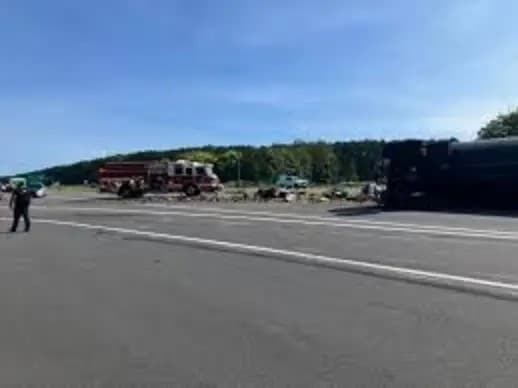
A recent crash that closed all southbound lanes on Interstate 95 serves as another reminder of how quickly traffic conditions can change on busy highways. Incidents like this often cause significant delays, emergency responses, and long traffic backups that can affect drivers for hours.
Crash Forces Closure of Southbound Lanes
According to reports, a crash on Interstate 95 resulted in the closure of all southbound lanes, creating heavy congestion in the surrounding area. Emergency crews responded quickly to the scene to assess injuries, secure the area, and clear the damaged vehicles from the roadway.
Closing multiple lanes on a major interstate is not a decision that authorities take lightly. When crashes involve serious damage, multiple vehicles, or debris scattered across the road, traffic must be stopped to protect both emergency responders and other motorists.
Drivers traveling along the southbound stretch of I-95 were advised to expect delays and consider alternate routes while crews worked to manage the scene.
Traffic backups on interstate highways can grow quickly, sometimes stretching for miles as vehicles slow down or stop completely.
Interstate 95 Is One of the Busiest Highways in the Country
Interstate 95 is one of the most heavily traveled highways in the United States. It stretches along the East Coast and connects major metropolitan areas, making it a vital transportation route for both passenger vehicles and commercial trucks.
Because of its heavy traffic volume, accidents on I-95 often lead to large scale disruptions. Even a single crash can affect thousands of drivers, especially during peak travel hours.
When lanes close unexpectedly, traffic patterns change rapidly. Drivers may attempt sudden lane changes, brake abruptly, or take unfamiliar detours. These situations increase the risk of secondary accidents, which can further complicate the situation.
Why Highway Accidents Can Be So Severe
Crashes on highways like I-95 often result in more serious damage than those that occur on city streets. Several factors contribute to this increased risk.
High Speeds
Vehicles traveling on interstates typically move at speeds of 60 to 75 miles per hour. At these speeds, even a small mistake can lead to significant impact forces during a collision.
Higher speeds reduce the amount of time drivers have to react to hazards such as sudden traffic stops, debris, or merging vehicles.
Heavy Traffic Volume
Busy highways carry thousands of vehicles every hour. When traffic becomes dense, the distance between vehicles decreases, leaving little room for sudden braking.
This environment increases the likelihood of multi vehicle collisions.
Large Commercial Trucks
Interstates like I-95 are frequently used by commercial trucks transporting goods across long distances. While these vehicles are essential for the economy, they also present unique risks on the road.
Large trucks require longer stopping distances and have limited maneuverability. When accidents involve commercial vehicles, the resulting damage can be severe.
Common Causes of Interstate Accidents
Although every crash has unique circumstances, many interstate accidents share common causes.
Distracted Driving
One of the leading causes of highway accidents is distracted driving. Activities such as texting, adjusting navigation systems, or interacting with passengers can take a driver’s attention away from the road.
At highway speeds, even a brief moment of distraction can result in a collision.
Speeding
Driving above the posted speed limit reduces a driver’s ability to control the vehicle and increases stopping distances. Speeding also intensifies the impact of a crash.
Following Too Closely
Tailgating is especially dangerous on highways. When drivers follow too closely, they may not have enough time to stop if the vehicle ahead brakes suddenly.
This behavior frequently leads to chain reaction crashes involving several vehicles.
Unsafe Lane Changes
Drivers who switch lanes without checking blind spots or signaling properly may collide with vehicles traveling in adjacent lanes.
Lane change accidents are common on busy interstates where drivers are trying to move around slower traffic.
Fatigue
Long distance driving can lead to fatigue, particularly for truck drivers or motorists traveling for extended periods. Fatigue slows reaction time and impairs decision making.
The Impact of Highway Accidents on Traffic
When a crash occurs on a major interstate like I-95, the consequences often extend far beyond the immediate scene.
Traffic congestion can spread for miles as vehicles slow down or stop completely. In many cases, drivers who are miles away from the crash site may still experience delays due to the bottleneck effect created by lane closures.
Emergency responders must work carefully to assist injured individuals, document the scene, and remove damaged vehicles. These processes take time, especially when multiple vehicles are involved.
Even after the roadway reopens, traffic may remain slow for hours as the backlog of vehicles gradually clears.
Safety Tips for Drivers on Busy Highways
Although accidents cannot always be prevented, drivers can reduce their risk by practicing safe driving habits.
Stay focused on the road
Avoid distractions such as mobile phones or other activities that take attention away from driving.
Maintain a safe following distance
Leaving enough space between vehicles allows more time to react to sudden traffic changes.
Observe speed limits
Speed limits are designed to match road conditions and traffic patterns.
Signal before changing lanes
Proper signaling helps other drivers anticipate movements and maintain safe spacing.
Remain patient during delays
Traffic congestion following a crash can be frustrating, but aggressive driving only increases the risk of additional accidents.
What Drivers Should Do After an Accident
If you are involved in a highway accident, it is important to remain calm and take steps that protect your safety and your legal rights.
Move to a Safe Area
If possible, move your vehicle to the shoulder or another safe location away from active traffic lanes.
Contact Emergency Services
Call emergency responders so that medical assistance and law enforcement can arrive at the scene.
Exchange Information
Drivers involved in the accident should exchange contact and insurance information.
Document the Scene
Taking photographs of the vehicles, roadway conditions, and visible damage can help preserve important details.
Seek Medical Evaluation
Even if injuries appear minor, a medical evaluation can help identify symptoms that may not be immediately noticeable.
Investigations Following Interstate Crashes
After a major highway crash, authorities typically conduct a detailed investigation to determine what caused the collision.
Investigators may examine vehicle damage, skid marks, traffic camera footage, and witness statements. In some cases, accident reconstruction specialists analyze the sequence of events that led to the crash.
These investigations help determine factors such as driver behavior, road conditions, vehicle malfunctions, or other contributing issues.
Understanding the cause of an accident can help improve road safety and prevent similar incidents in the future.
The Broader Impact on Communities
Serious accidents do not only affect the individuals involved. They also impact communities, emergency services, and local economies.
Road closures can delay commuters, disrupt deliveries, and slow down transportation networks that businesses rely on. Emergency responders must dedicate significant resources to managing crash scenes, which can strain local services during busy periods.
These incidents remind drivers that responsible behavior on the road plays a crucial role in maintaining public safety.
Moving Forward After a Serious Accident
Recovering from a highway crash can be a difficult process for those involved. Physical injuries, vehicle damage, and financial stress can create lasting challenges.
Understanding the circumstances of an accident and the options available afterward can help individuals move forward with greater clarity.
Drivers who remain cautious, patient, and attentive on busy highways contribute to safer roads for everyone.
Ted Law Firm
At Ted Law Firm, is dedicated to supporting individuals and families facing difficult and unexpected circumstances.We serve families across Aiken, Anderson, Charleston, Columbia, Greenville, Myrtle Beach, North Augusta and Orangeburg.Our team maintains a strong commitment to clarity, communication, and informed guidance. We focus on helping people understand their situation clearly and navigate the complexities that can arise after a roadway incident or other sudden event. TED Law Firm stands with those seeking direction and stability during challenging times. Contact us today for a free consultation.