Charleston, located in the Deep South of the United States, is one of the most historically significant cities in South Carolina. As the state continues to grow in population and infrastructure, certain intersections in Charleston have become increasingly hazardous. Whether you’re commuting to Charleston International Airport, heading downtown to Charleston Harbor, or visiting the University of South Carolina, road safety is critical.
This guide covers the top five most dangerous intersections in Charleston, South Carolina, and explores how these high-risk zones affect drivers, pedestrians, and the broader community.
1. Rivers Avenue and Otranto Road (North Charleston)
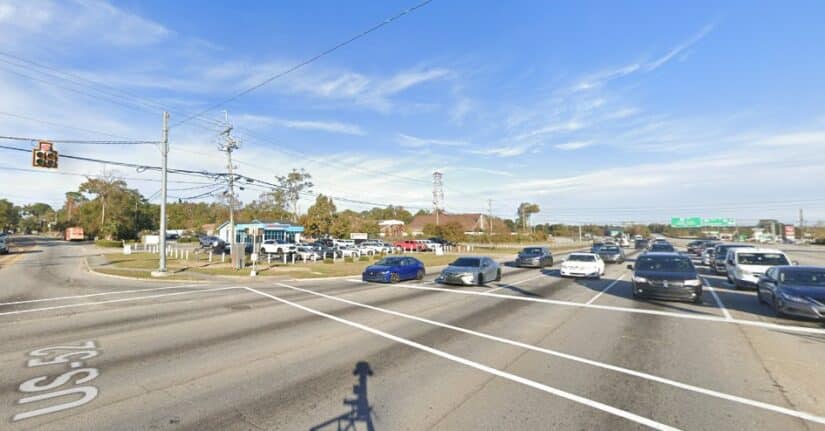
The intersection of Rivers Avenue and Otranto Road in North Charleston, South Carolina, ranks among the top danger zones. Located near secondary roads that connect to various neighborhoods and commercial zones, the area sees a high volume of traffic throughout the day.
Frequent fender benders, T-bone accidents, and pedestrian incidents are common. Poor signal visibility, short merging lanes, and an influx of tourists traveling from places like Myrtle Beach or Charleston International Airport contribute to the chaos.
2. Savannah Highway and Sam Rittenberg Boulevard
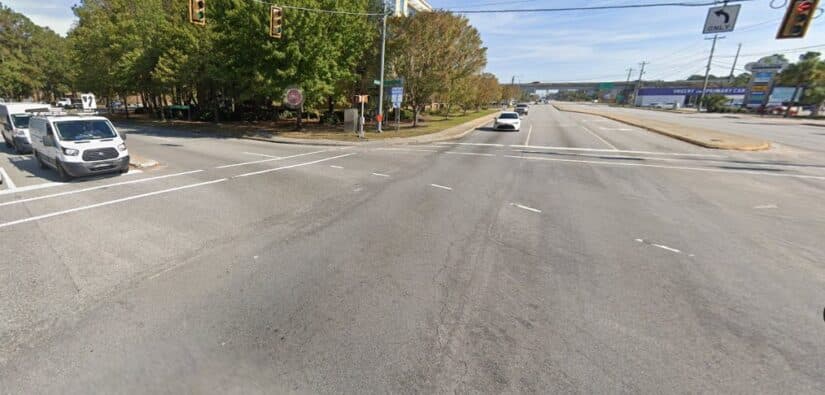
This critical intersection is a convergence of state highways and is situated in the heart of the Atlantic Coastal Plain. It’s one of the most congested areas in Charleston, and by extension, the Deep South. Thousands pass through daily, including local residents, students from liberal arts universities, and graduate students attending graduate programs in the city.
Aggressive merging behavior, distracted driving, and poorly marked pedestrian crossings make this a consistent site of traffic incidents. The intersection also impacts those commuting for job postings, career recommendations, and even learning and training programs offered throughout South Carolina.
3. Dorchester Road and Ashley Phosphate Road
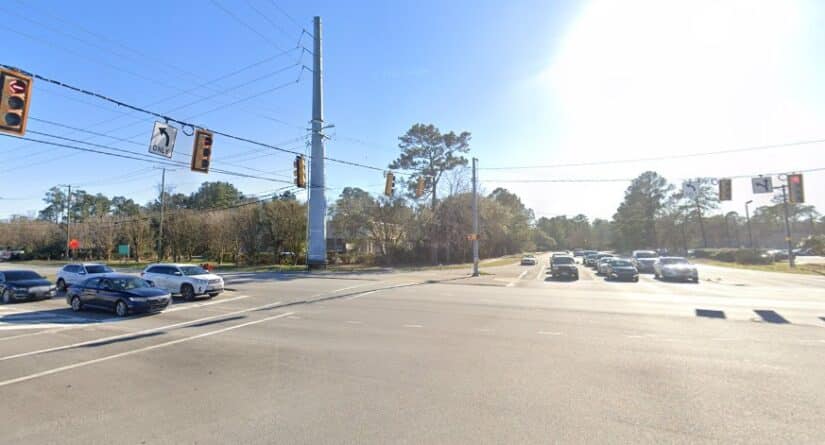
This intersection connects residential, industrial, and commercial zones. It’s often used by people from neighboring states like North Carolina, and has been flagged as one of the deadliest spots in South Carolina. Local media have reported on accidents involving both private vehicles and public government services such as transit and waste management.
Given its location, it’s also frequented by individuals handling driver’s license renewals, seeking tax information, or accessing Online Services provided by the state.
4. Glenn McConnell Parkway and Bees Ferry Road
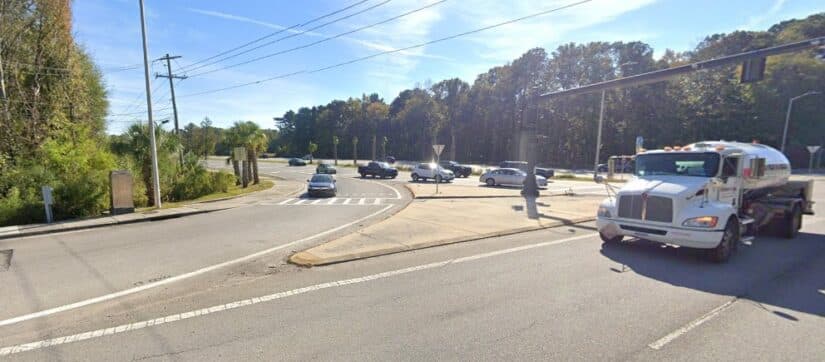
West Ashley is experiencing a population boom, especially with new housing developments. This intersection is at the center of that expansion. Historically, the area is tied to the Province of Carolina and features infrastructure dating back to the 20th century and earlier.
Locals and tourists alike face confusion with measurable snowfall signs during winter months and outdated traffic signals. The city has begun funding improvements, which may offer financial assistance programs for upgrading the area.
This route is popular among residents of African American, Native American, and immigrant communities, who use it to commute or access essential government services.
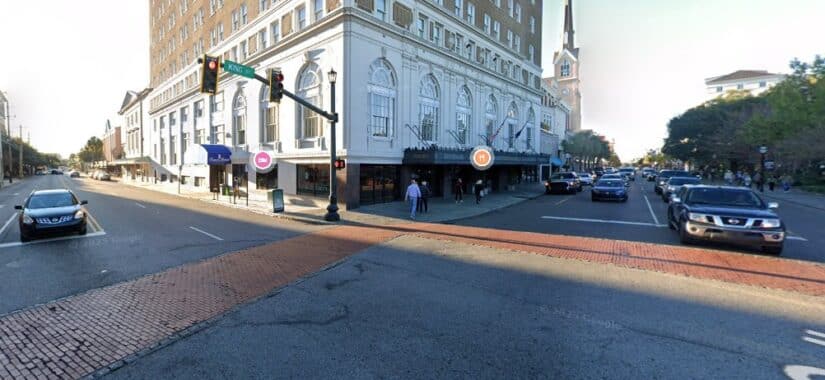
5. King Street and Calhoun Street (Downtown Charleston)
About Ted Law firm
At Ted Law Firm , we understand the challenges Charleston residents face when navigating dangerous intersections. We serve families across Aiken, Anderson, Charleston, Columbia, Greenville, Myrtle Beach, North Augusta and Orangeburg. From students commuting to the University of South Carolina to long-time residents rooted in the history of the Atlantic Coastal Plain, every individual deserves safe roadways and fair treatment when injured. We are committed to advocating for justice across South Carolina communities, ensuring that those harmed due to negligence get the support they need. Contact us today for a free consultation