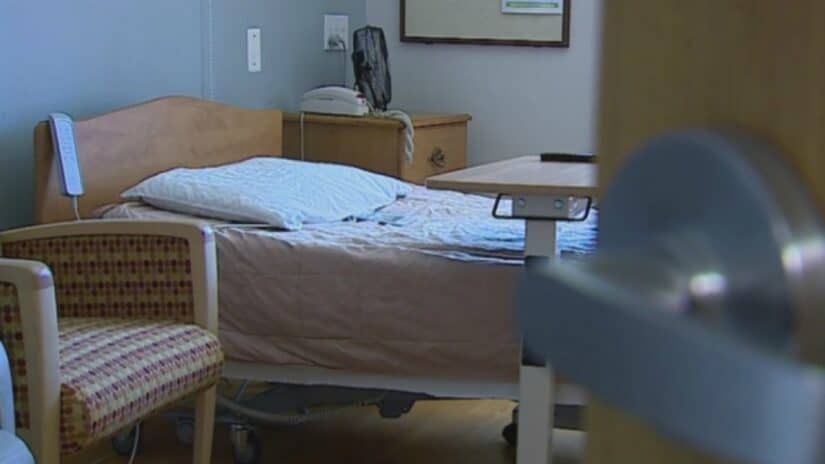
A Greenville-area nursing home is facing imminent federal charges after the Department of Justice announced plans to prosecute the facility for neglect. The news has quickly gained public attention, especially among families who rely on long-term care facilities to protect their loved ones. Reports indicate that investigators uncovered conditions severe enough to justify federal intervention, which is often reserved for the most serious and persistent violations in elder care environments situations that personal injury lawyers often handle when neglect, abuse, or unsafe conditions cause harm to vulnerable residents.
This developing case highlights broader concerns about nursing home oversight, the challenges families face when monitoring care, and the critical importance of accountability within long-term care facilities. This blog examines what is known so far, why the DOJ is pursuing charges, how nursing home neglect occurs, and what lessons South Carolina communities can take from this incident.
What We Know About the DOJ Investigation
According to officials, the Department of Justice has been evaluating allegations of neglect at an Upstate nursing home in Greenville, South Carolina. While specifics have not yet been fully released, early indicators suggest that the concerns involve:
- Failure to provide appropriate supervision
- Possible medical neglect
- Conditions that may have endangered vulnerable residents
- Violations of state and federal standards governing care
The DOJ rarely steps in unless the evidence suggests ongoing or widespread problems. This means the issues likely extended beyond isolated mistakes and may reflect systemic failures inside the facility.
Federal investigations typically involve reviewing:
- Staffing records
- Medical charts
- Surveillance footage
- Employee interviews
- Complaint histories
- State inspection failures
- Resident treatment documentation
The announcement that charges are forthcoming signals that investigators believe the evidence supports prosecution.
Why the DOJ Sometimes Intervenes in Nursing Home Cases
Nursing homes are regulated primarily at the state level, but the DOJ becomes involved when allegations suggest:
- Civil rights violations
- Intentional or reckless neglect
- Fraud involving federal programs
- Severe harm to residents
- Patterns of abuse or unsafe conditions
The government has a duty to protect elderly residents who cannot advocate for themselves, especially when facilities receive federal funding through Medicare or Medicaid.
When federal charges are brought against a nursing home, it typically means:
- Serious harm occurred
- Serious harm may have occurred
- The risk to residents remains ongoing
- The facility failed to correct violations over time
Understanding Nursing Home Neglect
Nursing home neglect can take many forms, and even mild neglect can lead to serious medical consequences for older residents. Although specific details from the Greenville facility have not been made public, typical examples include:
1. Lack of Medical Attention
Failing to provide medication, wound care, mobility support or timely treatment.
2. Unsafe Living Conditions
Unsanitary rooms, improper hygiene practices or lack of clean bedding.
3. Poor Supervision
Residents left unattended, leading to falls, injuries or wandering.
4. Malnutrition and Dehydration
Failing to provide adequate meals, fluids or dietary monitoring.
5. Ignoring Resident Complaints
Disregarding calls for help or delays in responding to emergencies.
6. Emotional Neglect
Isolation, verbal mistreatment or lack of compassionate care.
Neglect often occurs in understaffed or poorly managed facilities, where workers are overwhelmed or inadequately trained.
How Neglect Harms Elderly Residents
The consequences of nursing home neglect can be severe. Elderly residents are more vulnerable due to age, weakened immune systems and underlying medical conditions. When neglect occurs, it can lead to:
- Infections
- Bedsores
- Fall injuries
- Cognitive decline
- Emotional trauma
- Hospitalization
- Preventable death
These outcomes are not inevitable. They are preventable when a facility follows proper standards and maintains adequate staffing.
Community Reaction in Greenville and Upstate South Carolina
News of the DOJ’s involvement has drawn strong reactions in Greenville and surrounding Upstate communities. Many residents rely on nursing homes for long-term care, rehabilitation or memory care for aging family members. When a local facility faces neglect charges, families often reconsider the safety of similar facilities in the region.
Common community concerns include:
- Whether other facilities have similar issues
- Whether there were early warning signs
- How neglect went unnoticed
- How the facility responded to complaints
- Whether current residents are still at risk
These questions reflect a growing awareness about the challenges of monitoring long-term care environments.
How Federal Charges Affect a Nursing Home
If charges move forward, the consequences for the Greenville facility could include:
Financial Penalties
Fines for violations of federal elder care regulations.
Civil Liability
Potential civil cases filed by families of affected residents.
Loss of Federal Funding
Medicare or Medicaid participation can be suspended or terminated.
Administrative Restrictions
Staffing requirements, oversight agreements or compliance monitoring.
Licensing Consequences
State authorities may discipline facility operators or revoke licenses.
Such outcomes can change how the facility operates, or in some cases, lead to closure.
Why Nursing Home Oversight Often Fails
Many families express frustration when learning that neglect occurred despite state regulations. Oversight gaps typically emerge due to:
- Chronic understaffing
- Limited state inspection staff
- Facilities hiding violations
- Inconsistent reporting
- High employee turnover
- Lack of training
- Pressure to cut operational costs
Even facilities with positive reviews can experience internal issues that go unnoticed until a serious incident occurs
Signs Families Should Watch For
While the Greenville DOJ case continues, it is important for families to stay aware of signs of potential neglect when visiting loved ones. Common warning indicators include:
- Sudden weight loss
- Unexplained bruises or injuries
- Bedsores
- Long wait times for assistance
- Dirty rooms or clothing
- Strong odors
- Emotional withdrawal
- Changes in medication without explanation
- Residents appearing dehydrated
- Calls going unanswered
These signs do not automatically indicate neglect, but they do require further investigation.
Why Families Often Struggle to Identify Neglect
Nursing homes routinely manage residents with complex medical needs. This means:
- Symptoms of neglect can resemble natural health decline
- Staff explanations may sound reasonable
- Residents may be afraid to complain
- Families may visit during supervised hours, unaware of night-shift issues
- Facilities may present an organized environment for visitors while masking deeper problems
Neglect is often exposed only after repeated incidents or complaints, which may be the case with the Greenville facility facing DOJ action.
Impact on Employees Inside the Facility
Employees are often placed in difficult situations where staffing shortages and poor management create stressful working conditions. While some allegations may involve individual misconduct, many cases of nursing home neglect stem from structural issues rather than isolated employee behavior.
Workers may experience:
- High resident-to-staff ratios
- Exhausting shifts
- Insufficient training
- Pressure to cut corners
- Fear of retaliation for reporting problems
These factors contribute to the systemic failures that lead to DOJ investigations.
How Federal Reviews Typically Proceed
Once charges are announced, the following steps generally occur:
1. Evidence Compilation
Federal prosecutors finalize evidence supporting the charges.
2. Court Filings
Documents are submitted outlining violations or criminal acts.
3. Facility Response
Administrators may contest or negotiate the charges.
4. Ongoing Inspections
Regulators may increase monitoring at the facility.
5. Public Notification
Families are informed of relevant developments.
These processes can take months or even years to fully resolve.
Concerns for Current Residents
Families with relatives still living at the Greenville nursing home are likely feeling uncertain. Important questions include:
- Are residents still safe
- Has the facility increased staffing
- Are new protocols in place
- Are regulators providing oversight
- Should residents be relocated
While not all DOJ investigations require immediate evacuation, families should stay updated on developments and maintain regular communication with their loved ones.
Why This Case Matters for South Carolina
The charges against the Greenville facility reflect broader issues in long-term care across the state. South Carolina, like many states, faces:
- High demand for elder care
- Workforce shortages
- Increasing aging populations
- Pressure on state inspection resources
Federal action acts as a wake-up call, prompting statewide reflection on how nursing homes operate and how vulnerable residents can be better protected.
About Ted Law Firm
At Ted Law Firm, continues to monitor major elder care and public safety developments across South Carolina. Sharing clear information about nursing home neglect helps families stay aware of the warning signs and understand the circumstances that can place vulnerable residents at risk.We serve families across Aiken, Anderson, Charleston, Columbia, Greenville, Myrtle Beach, North Augusta and Orangeburg. Knowledge empowers communities to make informed decisions and remain vigilant about loved ones in long-term care facilities.Contact us today for a free consultation.