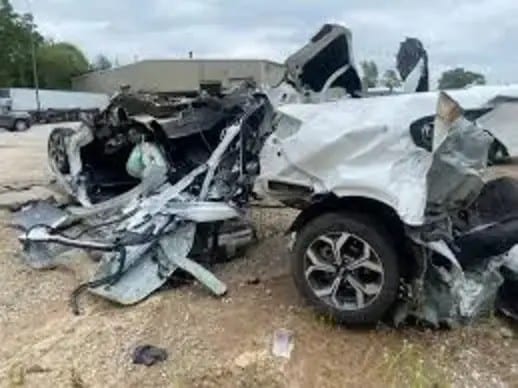
How the South Carolina Highway Patrol Responds
The South Carolina Highway Patrol (SCHP) enforces traffic laws across the state and investigates collisions on interstates and public roads. In many cases, troopers are the first to arrive at crash scenes, where they secure the area, manage traffic, and request support such as EMS, fire rescue, or towing services. Moreover, SCHP officers document collision reports and coordinate with other agencies to identify key factors like driver behavior, road conditions, and visibility at the time of the crash.
The Human Cost of Road Crashes
This recent fatality highlights a serious issue in South Carolina, which continues to report one of the highest traffic fatality rates in the country. As a result, road safety remains a major concern. Additionally, transportation studies show rising traffic volume and increasing congestion, which have led to greater safety risks. Drivers face varied conditions, from high-speed interstates to rural roads with limited safety features, and consequently, the likelihood of collisions remains high. Furthermore, the financial and emotional impact of crashes is significant, including costs related to medical care, emergency response, and lost productivity.
Contributing Factors to Road Crashes
Crashes like this often occur due to common factors such as distracted or impaired driving, speeding, poor lighting, or unexpected obstacles. In many cases, even a brief lapse in attention can lead to serious consequences. Therefore, law enforcement agencies continue to stress safe driving habits. At the same time, public safety campaigns encourage drivers to stay alert, follow speed limits, and avoid distractions like mobile devices.
Statewide Safety Laws and Enforcement
South Carolina has introduced several laws to improve road safety and reduce crashes while promoting responsible driving behavior.
Hands-Free Driving Law
A new hands-free driving law took effect on September 1, 2025, making it illegal to hold or support a mobile phone while driving. The goal is to reduce distracted driving, which remains a leading cause of accidents. Initially, enforcement has focused on warnings; however, full penalties will apply after the transition period. Additionally, drivers may only use devices in hands-free mode, while texting, app use, and visual interaction are prohibited.
Operation Southern Slowdown
South Carolina also participates in Operation Southern Slowdown, a regional campaign aimed at reducing speeding on major highways. Through coordinated enforcement, officers monitor key corridors more closely, and as a result, the initiative improves compliance with speed limits while raising awareness about high-speed driving risks.
Roadway Trends and Infrastructure Challenges
Beyond driver behavior, infrastructure also plays a major role in road safety. Rapid population growth has increased congestion on major routes such as Highway 17 and I-95, while aging road networks continue to require maintenance. In addition, construction projects create temporary closures and detours that may confuse drivers or cause delays. For example, off-ramp work on I-126 supports long-term improvements but can increase short-term risks. Therefore, transportation officials continue to invest in road expansion, resurfacing, and structural upgrades.
Community Reaction and Safety Awareness
Fatal crashes often raise concern among residents and local leaders, who call for stronger safety measures and better driver education. Moreover, public awareness campaigns play an important role in encouraging safer behavior. Experts also note that while each crash is unique, broader patterns highlight ongoing safety challenges. Therefore, long-term improvements require consistent efforts from policymakers, law enforcement, and the public.
What Drivers Can Do
Drivers can take several steps to improve road safety, including following speed limits, avoiding distractions, wearing seat belts, and staying alert for pedestrians or cyclists. Additionally, complying with traffic laws and enforcement campaigns helps reduce risks. Ultimately, small actions can make a significant difference, especially as traffic volumes continue to rise across South Carolina.