
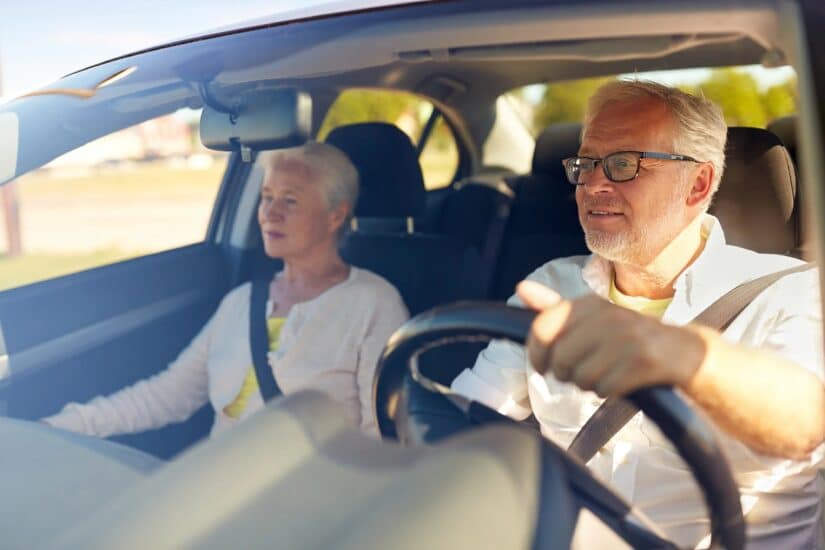
Driving plays a major role in independence, especially for older drivers across the United States. For many people, holding onto a driver’s license represents freedom, routine, and control over daily life. However, aging can bring physical and cognitive changes that create real safety concerns behind the wheel, concerns a Car accident lawyer often encounters when serious crashes involve elderly drivers.
Stories involving elderly drivers, such as seniors nearly driving off roadways or being involved in fatal accidents, often prompt families to ask difficult questions. At what point does driving become unsafe, and when is it time to hand over the car keys?
Experts agree there is no universal age that determines when someone is too old to drive. Instead, safety depends on individual health, reaction time, physical abilities, and sensory decline.
No Fixed Age Limit for Driving
Medical professionals, including Kaiser Permanente, emphasize that age alone should not determine whether someone continues driving. Many elderly drivers remain capable and alert well into their later years.
That said, research shows that most people continue driving longer than they should. Older adults often drive seven to ten years past the point where declining reaction speed and cognitive abilities begin to affect safety. Drivers aged 70 and older experience higher crash rates than most age groups, aside from very young drivers.
This makes age 70 an important milestone for families and loved ones to begin conversations about driving safety, even if no immediate changes are required.
Physical and Cognitive Changes That Affect Driving
Aging may cause gradual health concerns that impact safe driving. These changes are not always obvious to the driver but may be noticeable to a family member or aging relatives.
Common challenges include:
- Slower reaction time and late braking
- Reduced range of motion in the neck, arms, and legs
- Declining vision acuity and visual cue recognition
- Sensory decline involving hearing and peripheral vision
- Cognitive decline affecting decision making and attention
Conditions such as macular degeneration, Alzheimer’s disease, and reduced facial muscle control can also interfere with safe driving. Some seniors rely on hearing aids or vision correction, but even with assistance, limitations may remain.
Warning Signs Families Should Watch For
Harvard Health Publishing and other safety organizations highlight specific signs that may indicate an elderly parent or loved one is struggling behind the wheel.
These include:
- Drifting between lanes
- Frequent honking from other drivers
- Unexplained dents or vehicle damage
- Getting lost on familiar routes
- Friends avoiding rides from the driver
These behaviors raise serious safety concerns, especially when combined with slower reaction speed or poor night vision.
Driver’s License Rules and State Requirements
Driver’s license renewal rules vary widely across the United States. Some states do not define an age threshold for older drivers, while others impose stricter renewal requirements.
Many states require vision tests or a vision exam for aging drivers. Others mandate in person renewals or medical evaluations at certain ages. In some cases, motor vehicle authorities may request medical reports from healthcare providers.
For example, drivers relocating later in life may need clinical evaluation documentation, including physical abilities and cognitive assessments, before receiving a license.
Medical and Driving Evaluations for Seniors
In some situations, healthcare providers recommend a driving evaluation or driving assessment. These evaluations may be conducted by an occupational therapist trained in occupational therapy and driving safety.
A driving evaluation service may include:
- Vision testing
- Reaction time measurement
- Cognitive abilities screening
- Road test or on-road evaluation
- Assessment of range of motion
Programs such as the UMHS Drive Ability Program and guidance from the American Occupational Therapy Association support these evaluations. The goal is to determine whether someone can continue driving safely or should consider restrictions.
Why This Issue Is Growing Nationwide
By 2030, every baby boomer will be 65 or older. This means more elderly drivers on the road than ever before. According to the Department of Transportation and the Fatality Analysis Reporting System, drivers over 65 will make up more than 20 percent of licensed drivers.
With increased numbers comes a higher risk of fatal accidents, particularly where aging intersects with health issues, substance abuse, or cannabis use.
Why Seniors Continue Driving
Many seniors continue driving due to limited transportation alternatives. Studies show that nearly 79 percent of older adults live in car dependent areas. Public transportation is often unavailable or impractical, especially for those living alone.
Among seniors, nearly 58 percent live without nearby family support. Without transportation support, home care services, or shuttle services, stopping driving can lead to isolation.
Senior Living communities, Independent Transportation Network America, and local transportation alternatives help, but access remains uneven.
Planning Ahead for a Safe Transition
Experts recommend planning early rather than waiting for a crisis. An advance driving directive allows individuals to outline their wishes before safety becomes an issue.
Open conversations with a family member, elderly parent, or aging relatives should focus on safety rather than control. Gradual steps such as limiting night driving or avoiding highways may help ease the transition.
Support from a geriatric social worker, home care providers, or personal care services can help seniors maintain independence without driving.
Safety Features and Modern Vehicles
Newer vehicles include active safety features such as automatic emergency braking and lane keep assist. Crash tests from model year 2018-2022 show these technologies reduce risk, but they cannot fully compensate for declining reaction time or cognitive decline.
About Ted Law Firm
At Ted Law Firm,understands how traffic safety issues affect individuals, families, and communities.We serve families across Aiken, Anderson, Charleston, Columbia, Greenville, Myrtle Beach, North Augusta and Orangeburg. Concerns involving elderly drivers, road safety, and serious crashes often carry emotional and practical consequences for loved ones.Contact us today for a free consultation.