The Connection Between Public Health and Environmental Damage
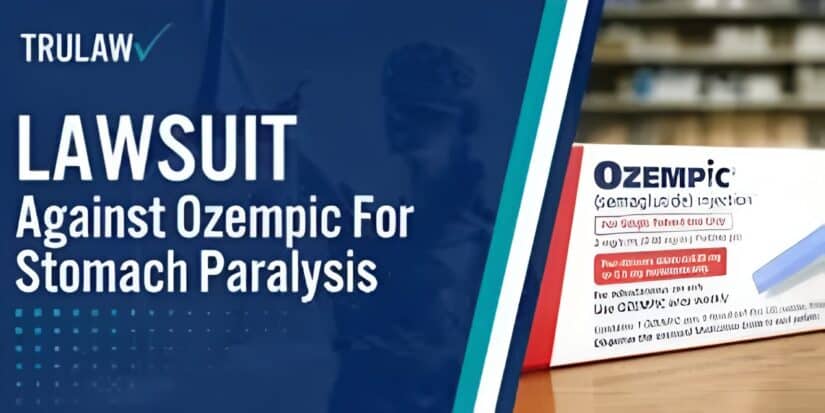
Many public health cases today reflect broader systemic issues. For example, the Ozempic litigation highlights concerns about environmental damage, consumer trust, and loss at both individual and societal levels. Similarly, harm can arise from ecosystem destruction or unsafe pharmaceutical products. In both cases, corporations often respond with silence. Therefore, patterns of corporate behavior remain consistent across industries.
The parallels with climate change lawsuits are also clear. Just as the United Nations advocates for global climate justice, personal injury lawyers pursue accountability in mass tort cases. As a result, both movements seek transparency and responsibility.
Corporate Strategy: Silence, Denial, Profit
Companies facing Ozempic lawsuits often follow familiar strategies. First, they deny parent company liability. Next, they shift responsibility across the value chain. Moreover, they use complex dispute processes to delay outcomes.
This approach mirrors tactics used in oil and gas litigation. In those cases, companies downplayed risks to maintain operations. Likewise, some oil producers once denied links to global warming. In the same way, Novo Nordisk now downplays links to gastroparesis and vision loss.
Ozempic’s Rising Risk and the Public Health Tipping Point
Recent studies linking Ozempic to NAION and gastroparesis may shift public awareness. As a result, financial risks for Novo Nordisk could increase. This situation resembles earlier climate litigation trends.
However, the issue goes beyond compensation. It also raises questions about systemic accountability. Therefore, these lawsuits align with global justice efforts. For instance, initiatives in New Zealand and EU Corporate Sustainability Due Diligence Directives support similar goals. In addition, watchdogs like the Advertising Standards Agency promote truthful claims.
NAION and the Need for Transparent Warnings
Courts now recognize vision-related risks linked to Ozempic. Lawsuits have emerged in New Jersey, Texas, and other regions. Consequently, these cases reflect broader global legal trends.
Moreover, civil rights advocates are closely monitoring these developments. They connect access to health information with bodily autonomy. Similarly, they draw parallels with climate safety and public protection issues.
Litigation Status: Class Actions and Multicounty Coordination
Ozempic cases now fall under MDL 3094. At the same time, state courts are pushing for multicounty coordination. This strategy strengthens plaintiffs’ positions. Likewise, similar approaches have supported climate litigation against major corporations.
Across legal systems, recognition of harm continues to grow. Whether environmental or medical, harm demands accountability. Therefore, courts increasingly support coordinated legal action.
Failure to Inform Is a Human Rights Concern
At its core, the Ozempic litigation raises human rights concerns. Patients who developed gastroparesis or vision loss lacked critical information. As a result, they could not make informed health decisions.
Failure to disclose risks violates medical ethics. It also conflicts with global human rights principles. Therefore, these cases mirror climate lawsuits that demand a safe environment. Both seek justice for preventable harm.
Global Scrutiny and Public Awareness
Public attention continues to grow. As more cases emerge, legal analysts draw comparisons to global corporate challenges. Organizations like Oil Change International and Climate Resilience Hub address similar issues.
Moreover, experts such as Nigel Brook and David Tong highlight these parallels. They emphasize shared themes of power, risk, and accountability. As a result, pharmaceutical litigation now attracts broader global scrutiny.
Learning from Climate Law and Corporate Responsibility
Lessons from climate litigation apply directly to these cases. For example, plaintiffs like Saúl Luciano Lliuya have challenged environmental harm. Meanwhile, lawmakers such as Sheldon Whitehouse, Jamie Raskin, and Merrick Garland advocate for accountability.
Similarly, Ozempic plaintiffs raise the same question: who takes responsibility for preventable harm? Therefore, expectations for corporate transparency continue to rise.
There is growing agreement on one key principle. Companies must disclose all material risks. Whether the issue involves emissions or drug side effects, accountability remains essential.