
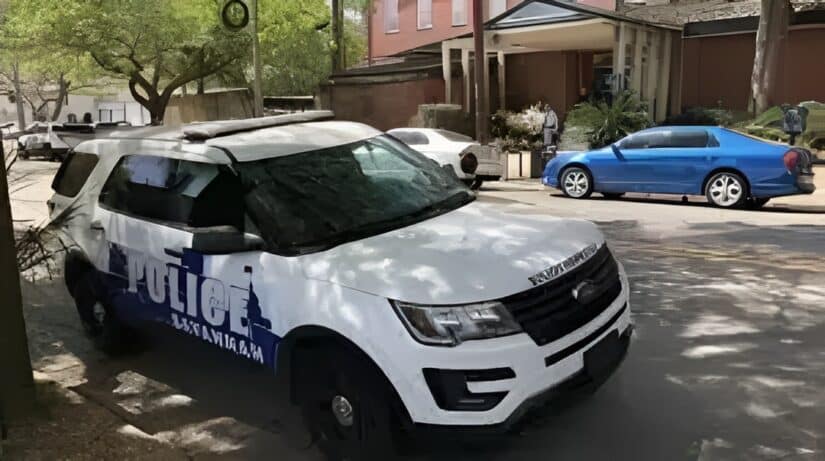
When it comes to car accident statistics, the public expects accountability from law enforcement. Yet recent reports show that the Savannah Police Department has a crash rate more than twice that of the Atlanta Police Department. These numbers raise questions about officer training, city infrastructure, and the risks communities face on Georgia roads every day.
The analysis, based on data from the Georgia Department of Transportation (GDOT) and local agencies, shows that collisions involving police officers are far more common in Savannah than Atlanta, despite the smaller population. For residents of Chatham County, this is an alarming trend that demands closer examination and meaningful solutions.
The Numbers Behind the Crashes
Between January 2022 and April 2025, the Savannah Police Department was involved in 469 motor vehicle collisions, including nine cases of fatal crash injuries. In comparison, the Atlanta Police Department recorded 680 crashes, with nine serious injuries, in the same period. Given Atlanta’s significantly larger size, Savannah’s crash rate is more than double.
Even more concerning is the fact that Savannah determined 385 of these incidents to be preventable. That means the majority of these traffic accident cases could have been avoided with better practices, defensive driving, or improved training sessions.
Officials at the Governor’s Office of Highway Safety and the Georgia Governor’s Office of Highway Safety have long stressed the importance of officer safety programs such as Click It or Ticket and the Highway Enforcement of Aggressive Traffic campaign, but these figures suggest local implementation is lacking.
A Story of Tragedy
The case of Luther Roberts shows the human cost of crashes. In 2019, he rode his motorcycle on Abercorn Street. An SPD officer, Matthew Clay, struck him.
Reports say the officer drove over 40 mph above the limit. He activated lights seconds before impact. Then, he hit Roberts head-on.
Roberts suffered catastrophic injuries, including amputation. SPD later called the crash preventable. However, the officer received only a suspension. Authorities also dropped the misdemeanor charge.
This case reflects broader concerns. Police actions can increase crash risks and harm public safety.
The Financial Toll
Savannah has paid nearly $3.95 million in crash settlements since 2019. These cases include vehicle collisions and pedestrian deaths.
Larger counties like Fulton and Cobb report lower averages. Even smaller counties show fewer incidents. Therefore, Savannah’s numbers raise concern.
These trends point to deeper issues. Officer decisions and traffic conditions may play a role.
Why So Many Crashes?
Several factors contribute to these crashes. First, port traffic increases congestion. Heavy trucks move through key areas daily.
Second, busy roads like DeRenne Avenue see frequent violations. Pedestrian risks also remain high.
In addition, the city lacks effective traffic calming measures. Limited training also affects officer readiness.
Experts say officers need better practice facilities. Current training spaces remain too small for real scenarios.
Community and Policy Perspectives
Safety advocates support programs like Vision Zero. These efforts aim to reduce fatalities.
Local projects promote walking paths and bike trails. However, they need stronger coordination with police efforts.
Federal agencies provide safety guidelines. Still, Savannah has not fully applied these strategies.
Community groups also want more involvement. They push for better outreach and awareness campaigns.
Legal and Criminal Aspects
The legal system shapes accountability in these cases. Charges may include homicide by vehicle or aggravated assault.
Courts also review officer actions carefully. Legal standards require objective and reasonable decisions.
Local officials face criticism over enforcement decisions. Some believe accountability remains inconsistent.
Safety Campaigns and Public Awareness
Georgia promotes campaigns like “Click It or Ticket.” These programs aim to improve road safety.
However, high crash rates raise concerns about effectiveness. Other risks, such as DUI cases, also affect safety.
Therefore, stronger enforcement and awareness remain necessary.
Infrastructure, Technology, and Next Steps
Savannah can improve road safety with better infrastructure. Protected bike lanes and improved lighting can help.
Technology can also support safer driving. Data tools and AI systems can reduce crash risks.
The city should expand training and use federal grants. Partnerships with community leaders can also drive change.
Conclusion: A Call for Accountability
Savannah’s crash rates highlight serious concerns. These incidents affect public trust and safety.
The city must improve training, enforcement, and transparency. Therefore, strong action is necessary to prevent future crashes.