

A new South Carolina law requiring mandatory bartender and server training takes effect January 1, 2026, bringing significant changes to how alcohol service is regulated across the state. Lawmakers say the goal of the law is to improve public safety, modernize liability law, and address long-standing concerns related to liquor liability and alcohol-related incidents issues that Drunk Driving Lawyers frequently examine when alcohol service contributes to serious injuries or fatalities.
The legislation was signed earlier this year after extensive debate within the South Carolina legislature. The final version reflects elements of tort reform, liability reform, and alcohol awareness initiatives aimed at reducing harm linked to alcohol sales and on-premises consumption.
As the January 1, 2026 effective date approaches, business owners across South Carolina are preparing to comply with the new alcohol server training requirements.
Why Mandatory Server Training Was Introduced
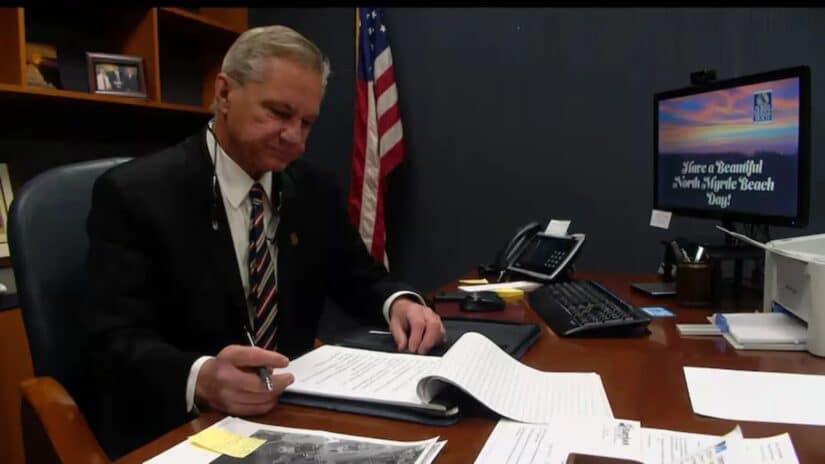
Mandatory Alcohol Server Training Law
Lawmakers introduced the new law to address rising concerns about alcohol-related incidents. They focused on risks linked to improper alcohol service. As a result, they aim to reduce impaired driving and DUI crashes.
Therefore, the law requires alcohol server training starting January 1, 2026. This training helps staff identify intoxicated customers and refuse service when needed. In addition, it teaches ID verification and fake ID detection. As a result, businesses can reduce liability risks.
Changes to Liquor Liability and Civil Responsibility
The new law changes how liability works for alcohol-related incidents. Previously, businesses faced full financial risk even with minor fault. Now, the law divides responsibility more fairly.
For example, courts will assign fault between the driver and the business. As a result, businesses avoid excessive penalties. This change replaces the older joint liability system.
Impact on Insurance and Coverage
The law also affects liquor liability insurance requirements. Not all businesses must carry a one-million-dollar policy anymore. Therefore, insurance costs may change.
Businesses should review their policies with providers. In addition, compliance with training programs may lower premiums. As a result, prepared businesses may reduce financial risk.
What Alcohol Server Training Includes
Training programs focus on responsible alcohol service. They teach staff how to identify intoxication and manage refusal of service. In addition, they cover ID screening and digital verification tools.
These tools help staff confirm valid identification. As a result, they reduce underage alcohol service. Most programs provide a recognized certification.
Certified Training Programs and Compliance
The law allows several approved training programs. These include Alcohol Risk Reduction Training and ServSafe Alcohol. Therefore, businesses can choose programs that meet requirements.
Some businesses already follow these practices. However, others must update their systems before the deadline. Maintaining training records remains essential for compliance.
Role of the Department of Revenue and Enforcement
The Department of Revenue will enforce the law starting January 1, 2026. Officers will check training records and licenses. In addition, they will review compliance with alcohol laws.
Failure to comply may result in fines or license issues. However, officials plan to focus on compliance first. Therefore, businesses should prepare early.
Effect on Bars, Restaurants, and Business Owners
Many businesses already follow similar practices. Therefore, they may see minimal changes. However, others must adopt new training and tools.
These updates improve safety and reduce liability. As a result, businesses can operate with lower risk.
Alcohol Service During High-Risk Events
High-risk events increase alcohol consumption and safety concerns. For example, New Year’s Eve and sports events often involve heavy drinking. Therefore, trained staff play a key role in prevention.
They can refuse service and manage risky situations. As a result, they help prevent drunk-driving incidents.
Broader Alcohol Liability Reform
This law forms part of a larger reform effort in South Carolina. Lawmakers aim to modernize liability rules and improve fairness.
They also want to balance accountability with protection for businesses. As a result, the law reflects updated views on alcohol responsibility.
Legal Implications for Businesses
Starting January 1, 2026, businesses must follow training requirements. Failure to comply can increase legal and financial risks.
Therefore, businesses should maintain proper records and consistent practices. In addition, they must train new staff as needed. This approach helps avoid penalties and disputes.
About Ted Law Firm
At Ted Law Firm, the firm supports individuals and businesses navigating changes in alcohol laws, liquor liability, and civil responsibility effective January 1, 2026.We serve families across Aiken, Anderson, Charleston, Columbia, Greenville, Myrtle Beach, North Augusta and Orangeburg.The firm serves families across Aiken, Anderson, Charleston, Columbia, Greenville, Myrtle Beach, North Augusta, and Orangeburg.Ted Law Firm is committed to clear legal insight, careful analysis, and steady guidance during regulatory transitions. The firm approaches every matter with professionalism, integrity, and respect for public safety.Contact us today for a free consultation.