
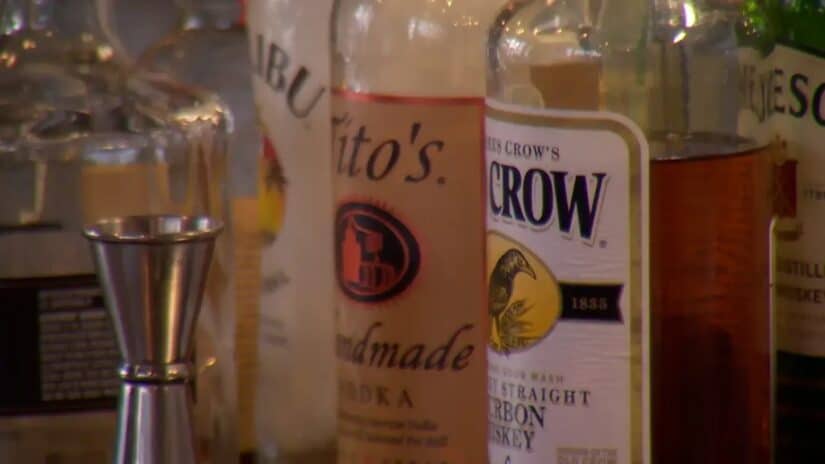
South Carolina will soon implement significant changes to how alcohol is served across the state. Beginning March 2, 2026, new regulations will require mandatory alcohol server training for individuals and businesses involved in the sale and service of alcoholic beverages. The move is intended to strengthen responsible service practices, reduce alcohol related incidents, and improve public safety standards.
For restaurant owners, bar operators, event venues, and employees who serve alcohol, this change is not optional. Compliance will be required under state law. Failure to meet training requirements may result in fines, penalties, or potential license consequences.
Beyond regulatory compliance, the new rules also carry important legal implications. When alcohol service is linked to accidents, injuries, or fatalities, liability questions often arise. With stricter training mandates in place, courts may closely examine whether businesses met their legal responsibilities.
This article explains what the new law requires, why it matters, and how it may affect businesses and individuals across South Carolina.
Overview of the New Alcohol Service Regulations
Under the new state regulations, individuals who sell or serve alcohol in South Carolina must complete an approved alcohol server training program. This requirement applies to bartenders, servers, managers, and potentially other staff members involved in alcohol transactions.
The training must be completed through a state approved provider. Upon completion, employees will receive certification verifying compliance with the law. Businesses must ensure their staff maintain valid certification and may be required to keep records on file.
The goal of the regulation is to promote responsible alcohol service. Training programs typically cover topics such as:
- Identifying signs of intoxication
- Preventing sales to minors
- Checking identification properly
- Refusing service when appropriate
- Understanding liability risks
The enforcement date of March 2, 2026, marks the point when penalties may begin for non compliance.
Why South Carolina Introduced Mandatory Training
Alcohol related incidents remain a serious public safety concern nationwide. Drunk driving crashes, assaults, and other alcohol influenced events often lead to severe injuries or fatalities.
Lawmakers introduced the training requirement as a preventative measure. By educating servers and sellers about responsible practices, the state aims to reduce risky behavior before it escalates into tragedy.
In many alcohol related injury cases, one key question arises: Did the establishment act responsibly when serving alcohol? If a visibly intoxicated person is served additional drinks and later causes harm, that establishment may face legal consequences under dram shop liability principles.
Mandatory training is intended to reduce such risks by setting a uniform standard across the industry.
What Businesses Need to Know
Restaurant and bar owners must prepare well before the enforcement deadline. Key action steps include:
- Identify which employees are required to complete training.
- Register staff with a state approved training provider.
- Maintain documentation of completed certifications.
- Implement internal policies to ensure ongoing compliance.
Businesses should also review insurance policies to confirm adequate coverage for alcohol related claims. Insurance carriers may begin to evaluate compliance when assessing risk.
Failure to comply could result in administrative penalties, including fines or potential license suspension. In addition, non compliance could create serious exposure in civil lawsuits.
Legal Implications of Non Compliance
The introduction of mandatory training changes how courts may evaluate alcohol related injury cases.
If a bar or restaurant fails to ensure its staff completed required training, that failure could be used as evidence of negligence. Plaintiffs in injury cases may argue that the establishment did not meet state mandated safety standards.
Common scenarios that could trigger legal claims include:
- Drunk driving accidents after overservice
- Physical altercations involving intoxicated patrons
- Falls or injuries linked to visible intoxication
- Fatal crashes caused by impaired drivers
In wrongful death cases, families may pursue claims against both the intoxicated driver and the establishment that served alcohol.
Courts will likely examine whether staff members were properly trained and whether they followed the procedures outlined in the state approved program.
Understanding Dram Shop Liability
Dram shop laws allow injured individuals to seek compensation from establishments that unlawfully or negligently serve alcohol. While specific rules vary by state, South Carolina recognizes liability in certain circumstances when alcohol service contributes to harm.
With mandatory training in place, businesses will be held to a clearer standard. If employees were trained to recognize signs of intoxication yet ignored those signs, liability exposure may increase.
On the other hand, documented compliance and adherence to training protocols may serve as a defensive factor in litigation.
The new regulation therefore creates both risk and protection. Businesses that comply and enforce responsible service practices may reduce their legal exposure. Those that fail to comply may face greater scrutiny.
How the Regulation May Affect Injury Claims
For individuals injured in alcohol related incidents, the new law may influence how cases are investigated and litigated.
Attorneys will likely request documentation of:
- Server training certifications
- Internal alcohol service policies
- Incident reports
- Surveillance footage
- Staff schedules
If evidence shows an establishment disregarded training requirements or knowingly overserved a patron, injured parties may pursue compensation for:
- Medical expenses
- Lost wages
- Pain and suffering
- Property damage
- Wrongful death damages
The presence or absence of proper training could become a central issue in settlement negotiations or courtroom proceedings.
Preparing for March 2026 Enforcement
With the enforcement deadline approaching, businesses should not wait until the last moment. Implementing training programs takes time, particularly for larger operations with multiple employees.
Clear communication with staff is essential. Employees must understand that certification is a legal requirement, not merely an internal policy preference.
In addition to completing training, establishments should:
- Establish written alcohol service guidelines
- Conduct periodic refresher sessions
- Monitor staff compliance
- Document incidents thoroughly
These proactive steps may help reduce accidents and strengthen a defense if a claim arises.
Public Safety and Community Impact
Supporters of the regulation argue that standardized training will enhance public safety across South Carolina communities. When servers understand how to recognize impairment and refuse service appropriately, dangerous situations may be prevented.
Fewer alcohol related crashes and injuries benefit not only businesses but also families and communities statewide.
However, some business owners have expressed concerns about administrative burdens and training costs. While there may be upfront expenses, the cost of non compliance or litigation is often far greater.
What Individuals Should Know
If you or a loved one has been injured in an incident involving alcohol service, it is important to understand your legal rights.
Key questions to consider include:
- Was the individual visibly intoxicated when served?
- Did the establishment comply with mandatory training requirements?
- Were proper identification procedures followed?
- Is there evidence of negligent service?
The answers to these questions may significantly impact the outcome of a claim.
Because alcohol related injury cases can involve multiple parties and complex liability issues, thorough investigation is essential.
Looking Ahead
South Carolina’s mandatory alcohol server training law represents a meaningful shift in regulatory oversight. By setting a clear standard for responsible alcohol service, the state aims to reduce preventable harm.
For businesses, compliance is critical. For individuals harmed by alcohol related negligence, the new rules may provide additional clarity in pursuing justice.
As March 2, 2026 approaches, preparation and awareness will determine how smoothly this transition unfolds across the hospitality industry.
About Ted Law
At Ted Law Firm, is a personal injury law firm committed to protecting individuals and families across South Carolina. We serve families across Aiken, Anderson, Charleston, Columbia, Greenville, Myrtle Beach, North Augusta and Orangeburg. The firm handles serious injury and wrongful death cases involving negligence, including matters connected to alcohol related incidents. When safety standards are ignored and preventable harm occurs, accountability matters. Legal guidance can help injured individuals understand their options and pursue the compensation they may be entitled to under the law. Contact us today for a free consultation.