A Pattern of Pedestrian Fatalities in South Carolina
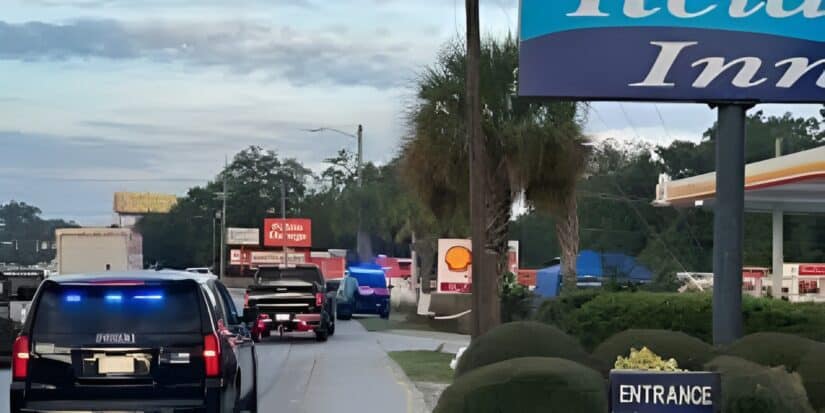
Across South Carolina, auto-pedestrian crashes are increasing at an alarming rate. As a result, lanes blocked after collisions have become common in urban areas. High-density regions like South Carolina’s 1st Congressional District report rising incidents. These crashes often stem from driver distraction, traffic stop errors, and weak safety measures.
In many cases, poor pedestrian crossings increase the risk. In addition, shared video footage often shows poor lighting and high-speed traffic. Therefore, these conditions create dangerous environments for pedestrians. Educational institutions like Dorchester District Two now run awareness campaigns. They target students and drivers, especially during the back to school travel rush.
Legal Implications of Auto-Pedestrian Crashes
When a pedestrian dies, legal challenges quickly arise. These cases become more complex in hit-and-run situations or negligence claims. In North Charleston, investigators often struggle to prove fault. However, tools like Interactive Radar, dashcams, and shared video from the Digital Desk Weather team help reconstruct events.
Determining Liability
Establishing fault plays a critical role in these cases. This becomes even more important in auto-pedestrian hit-and-run incidents. South Carolina follows a comparative negligence rule. Therefore, even partial fault can reduce compensation.
Civil and Criminal Consequences
Drivers may face both civil liability and criminal charges. This risk increases if they ignore traffic stop laws or pedestrian signals. As a result, legal consequences can become severe.
Safety Starts with Infrastructure
Many areas in North Charleston and along Dorchester Road lack basic safety features. For example, some locations do not include elevated crosswalks or proper lighting. When lanes are blocked or detours appear, pedestrians often face unsafe conditions.
Moreover, school zones near Newburgh Elementary School and areas serving EVSC students require stronger safety measures. These risks increase during busy drop-off times and free meal distribution periods. Therefore, local authorities must act quickly.
The Classroom Champions initiative highlights this need. Community educators, including Elementary teacher Jessica Holt, promote structured pedestrian safety training in schools.
Technology, Education, and Community Awareness
South Carolina agencies now use technology and education to reduce accidents. For instance, programs like Tech Talk feature insights from leaders such as Mac Deford. These programs raise awareness about accident prevention and student commute safety.
At the same time, companies like U.S. Cellular support outreach efforts. They promote responsible mobile use while driving or walking. In addition, officials continue to debate privacy films in vehicles. These films can reduce visibility and increase risks in multi-vehicle crash situations.
Human Lives Behind the Headlines
This tragedy in North Charleston reflects more than a news report. It represents a real human loss. In many cases, better infrastructure and alert driving could prevent such incidents. Therefore, public awareness remains essential.
Journalists like Ian Kayanja and safety advocates continue to raise awareness. They highlight the urgent need for stronger pedestrian protection policies.
The Need for Better Laws and Accountability
Communities must push for stronger laws and enforcement. Urban planning should prioritize pedestrian safety at every level. In growing areas like Horry County, development must include safe pedestrian access.
Citizens in South Carolina’s 1st Congressional District continue to demand change. They support laws that improve visibility and strengthen right-of-way protections. In addition, outreach programs must educate people like Leslie Chapman, school leaders such as principal Dr. Holly Arnold, and daily commuters.
Justice for Victims and Families
When tragedy occurs, families need clear legal support. They must understand their rights after a traffic accident or fatal auto pedestrian collision. Therefore, authorities must act quickly and responsibly.
North Charleston Police must conduct thorough investigations. Legal advocates should support affected families throughout the process. In addition, research platforms can help identify high-risk zones and past incidents.