
Road accidents continue to disrupt communities across the United States, affecting families, commuters, and local emergency services. A recent two vehicle crash on Highway 115 serves as another reminder of how quickly routine travel can turn into a serious car accident. Collisions like this not only cause injuries but also bring attention to the broader issue of road safety and the challenges faced by drivers every day.
Understanding what happened in this incident and recognizing the factors that often contribute to roadway collisions can help drivers remain more aware and cautious. It also highlights why legal guidance can become important when injuries, medical bills, and recovery are involved after an accident.
Crash on Highway 115 Shuts Down Traffic
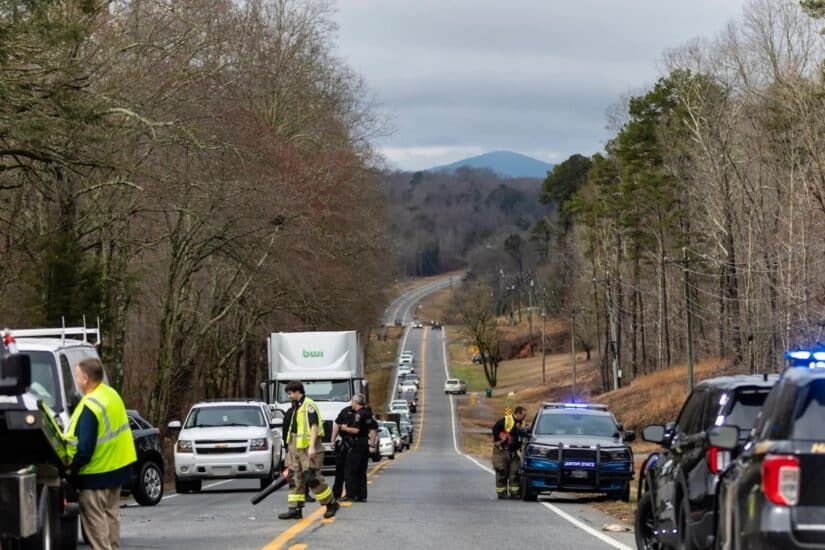
A two-vehicle collision on Highway 115 near Peachtree Cove in Habersham County caused significant disruption for drivers traveling through the area. The crash occurred on a Friday morning and quickly led to the closure of the highway in both directions. Traffic was blocked between the White County line and the nearby roundabout while emergency crews responded to the scene.
Local responders, including law enforcement officers and medical personnel, arrived shortly after the collision was reported. Emergency teams worked to manage traffic, secure the area, and assist the individuals involved.
Because the crash occurred on a busy roadway, authorities temporarily shut down the highway to ensure the safety of first responders and drivers approaching the scene. Incidents like this often require careful coordination between multiple agencies to clear the roadway and restore normal traffic flow.
Two Drivers Transported to the Hospital
Both drivers involved in the collision sustained injuries and required medical attention. According to reports, two individuals were transported to Northeast Georgia Medical Center in Gainesville for treatment.
Initially, one patient was considered a non-emergency transport. However, medical personnel upgraded the status to an emergency while en route to the hospital. The second driver was transported as an emergency from the start.
Situations like this illustrate how injuries can evolve quickly after a crash. What may appear minor at first can later become more serious as symptoms develop or worsen.
Medical professionals often recommend thorough evaluation after any vehicle collision, even when injuries are not immediately obvious.
Emergency Response and Roadway Management
When a traffic collision blocks a highway, emergency crews must focus on several critical tasks. First responders must secure the scene to prevent additional accidents. At the same time, they must provide immediate medical assistance to injured individuals.
Police officers usually handle traffic control by rerouting vehicles away from the crash site. Firefighters may assist with vehicle stabilization or removing hazards such as fuel leaks. Medical personnel assess injuries and determine whether hospital transport is necessary.
These coordinated efforts are essential for protecting everyone involved and allowing crews to clear the roadway safely.
Once investigators complete their initial review of the crash scene and vehicles are removed, transportation officials typically reopen the roadway.
How Two-Vehicle Collisions Happen
Two-vehicle crashes are among the most common types of traffic accidents in the United States. They can occur for a variety of reasons, often involving driver behavior, road conditions, or unexpected circumstances.
Some of the most frequent causes include:
Distracted Driving
Using a phone, adjusting a navigation system, or interacting with passengers can reduce a driver’s attention. Even a brief distraction can prevent a driver from reacting quickly to sudden changes in traffic.
Speeding
Driving above the posted speed limit increases both the likelihood of a crash and the severity of injuries when a collision occurs. Higher speeds reduce the time drivers have to react and increase the force of impact.
Failure to Yield
Many crashes occur at intersections or merging points when drivers fail to give the right of way to another vehicle.
Following Too Closely
Tailgating reduces the distance needed to stop safely. If the vehicle ahead suddenly slows or stops, the trailing driver may not have enough time to avoid a collision.
Road Conditions
Weather conditions such as rain, fog, or icy pavement can reduce traction and visibility, increasing the risk of accidents.
The Impact of Highway Closures
When a major roadway such as Highway 115 closes due to an accident, the effects ripple throughout the community. Drivers may face long delays or detours while crews clear the scene.
Local businesses can also be affected when traffic disruptions prevent customers from reaching their destinations. Emergency response times may increase if alternate routes are required.
For commuters, unexpected road closures often create stress and frustration, especially during peak travel hours.
While closures can be inconvenient, they are necessary to allow emergency responders to safely assist victims and investigate what happened.
Investigations Following a Crash
After a serious collision, authorities often conduct an investigation to determine the factors that led to the crash.
Investigators may review several pieces of information, including:
- Statements from drivers and witnesses
- Vehicle damage patterns
- Road conditions at the time of the crash
- Traffic camera or dashcam footage
- Electronic data from vehicles
These details help authorities understand how the collision occurred and whether any traffic violations contributed to the incident.
The findings may also become important later if insurance claims or legal issues arise.
Injuries Commonly Seen in Vehicle Collisions
Vehicle accidents can cause a wide range of injuries, depending on factors such as speed, impact angle, and whether safety devices were used.
Some common injuries include:
Whiplash and Neck Injuries
Sudden movement during a collision can strain the muscles and ligaments in the neck.
Head Injuries
Even when airbags deploy, drivers and passengers may suffer concussions or other head trauma.
Broken Bones
The force of impact can cause fractures in arms, legs, ribs, or other parts of the body.
Back Injuries
Damage to the spine or surrounding muscles can lead to chronic pain or limited mobility.
Internal Injuries
In severe crashes, internal bleeding or organ damage may occur, requiring immediate medical attention.
Because symptoms may not appear immediately, medical evaluation is often recommended after any significant collision.
Financial Consequences of a Crash
Beyond physical injuries, accidents often create financial challenges for those involved.
Medical treatment can involve emergency care, hospital stays, rehabilitation, and ongoing therapy. Vehicle repair or replacement adds another layer of expense.
Some individuals may also experience lost income if injuries prevent them from returning to work for an extended period.
Insurance coverage can help address certain costs, but disputes sometimes arise regarding fault, compensation, or claim amounts.
Understanding legal options can help accident victims navigate these complex situations.
Steps Drivers Should Take After an Accident
Knowing what to do after a crash can help protect both safety and legal rights.
Drivers involved in an accident should consider the following steps:
- Check for injuries and call emergency services if needed.
- Move to a safe location if possible.
- Exchange information with the other driver.
- Document the scene with photos or videos.
- Seek medical attention even if injuries appear minor.
- Report the accident to the appropriate authorities.
These steps can help create an accurate record of the incident, which may become important later.
Why Road Safety Awareness Matters
Every traffic collision highlights the importance of responsible driving. Roads are shared spaces where the actions of one driver can affect many others.
Maintaining safe speeds, avoiding distractions, and staying alert to surrounding traffic can significantly reduce the likelihood of accidents.
Public awareness campaigns, improved roadway design, and stricter enforcement of traffic laws also contribute to safer travel conditions.
While accidents cannot always be prevented, informed and cautious driving helps lower the risk for everyone on the road.
A Community Reminder About Driving Responsibility
The crash on Highway 115 serves as another reminder that everyday travel carries risks. For the individuals involved and their families, such incidents can have lasting physical, emotional, and financial effects.
Communities rely on emergency responders, healthcare providers, and legal professionals to help manage the aftermath of serious collisions.
At the same time, drivers themselves play the most important role in preventing accidents through attentive and responsible driving habits.
Each trip taken with greater awareness can help make roads safer for everyone.
About Ted Law
At Ted Law Firm, is dedicated to helping individuals who have suffered injuries due to negligent or reckless drivers. We serve families across Aiken, Anderson, Charleston, Columbia, Greenville, Myrtle Beach, North Augusta and Orangeburg. Hit and run accidents can leave victims facing medical bills, lost income, and emotional stress. Contact us today for a free consultation.