
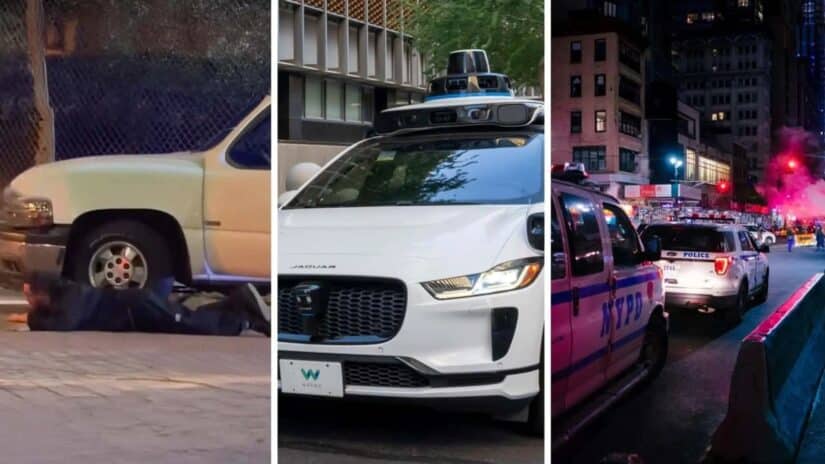
A recent incident involving a Waymo autonomous vehicle has raised new concerns about the safety and judgment capabilities of self-driving systems. According to reports, a Waymo car carrying a passenger unexpectedly drove into the midst of an active police standoff, stunning nearby officers and bystanders. While no injuries were reported, the vehicle’s entry into a restricted and dangerous situation highlights critical questions about automated decision-making, emergency response awareness, and the limitations of current autonomous technology issues increasingly analyzed by experienced car accident lawyers as self-driving vehicles become more involved in unusual roadway incidents.
With autonomous cars becoming increasingly common across major cities, situations like this prompt deeper discussions about how these vehicles detect and respond to law enforcement activity. This article explains what happened, why incidents of this nature matter, and what this means for passengers, communities, and roadway safety.
What Happened During the Waymo Incident
The incident occurred when officers were positioned in a tense standoff situation, with an area blocked off due to an ongoing threat. While patrol cars and police activity typically serve as warnings for human drivers to avoid the area or reroute, the Waymo vehicle reportedly proceeded forward and entered the perimeter. The autonomous system, despite operating with advanced sensors and mapping technology, did not correctly recognize or interpret the police activity as a restricted zone.
Inside the vehicle, a passenger was seated and recording as the moment unfolded. The footage showed the vehicle moving past police barriers or active formation before officers stopped it from proceeding further.
Authorities later confirmed that no one inside the vehicle or at the scene was harmed. However, the surprising entry of an autonomous car into a police standoff underscored the unpredictable gaps that can emerge between machine logic and real-time human decision-making.
Why the Incident Raised Serious Safety Questions
Autonomous vehicles are designed to detect obstacles, emergency vehicles, road closures and unusual hazards. However, a police standoff is not a traditional roadway situation. The conditions may have included:
- Flashing lights inconsistent with typical patterns
- Officer formations blocking the road
- Unmarked emergency presence
- Low-visibility signals or temporary changes not reflected in navigation maps
- Human behavior patterns difficult for sensors to classify
This type of situation requires complex reasoning, often relying on instinct and judgment that humans develop through experience. The vehicle’s decision to move forward suggests that current autonomous systems may still struggle with dynamic or nonstandard emergency scenarios.
Understanding Automated Decision-Making During Emergencies
Autonomous vehicles like Waymo rely on a mixture of:
- Sensor perception
- Machine learning models
- Map data
- Predictive algorithms
- Traffic rule databases
Although these systems perform well under typical conditions, emergency response environments introduce unpredictable elements. Police standoffs often involve:
- Rapidly shifting movements
- Officers positioned across multiple lanes
- Temporary barriers
- Weapons drawn
- Vehicles parked in unusual configurations
While a human driver instinctively understands the seriousness of a police perimeter, a self-driving car must interpret the scene using data patterns. If the system fails to recognize the situation as a hazard or restricted area, it may continue attempting to follow its designated route.
The Passenger’s Perspective Inside the Vehicle
Passengers typically trust autonomous systems to make safe and informed decisions. The individual inside the Waymo car at the time of the incident reportedly expressed confusion as the vehicle approached the police activity. Once the vehicle entered the standoff area, the unfolding event caused clear concern.
Passengers may feel powerless in such moments because:
- They cannot manually override every movement
- The vehicle controls are designed for safety restrictions
- Certain maneuvers are locked out to prevent misuse
- The navigation system may ignore passenger instructions once in an emergency mode
This reminds riders that while autonomous vehicles are convenient, they still have limits that can become evident in unfamiliar or volatile situations.
Police Response and On-Scene Reactions
Officers at the standoff were understandably surprised when the Waymo car entered the area. Police standoffs require maximum control of the environment for public safety and officer safety. Unexpected vehicle entry can complicate tactical positions and introduce new risks.
Police may have responded by:
- Signaling for the vehicle to stop
- Approaching the car cautiously
- Making sure the passenger was not in danger
- Ensuring the vehicle did not interfere with ongoing operations
The arrival of an autonomous vehicle likely forced officers to factor in additional safety concerns during an already tense situation.
Why Autonomous Vehicles Can Misinterpret Police Scenes
Police scenes differ significantly from standard roadway hazards. Some reasons a self-driving system may misinterpret them include:
1. Nonstandard Police Lights
Different departments use various lighting patterns that may not match emergency logic in the system.
2. Human Formations
Machine learning can identify pedestrians but may not classify a group of officers as a roadblock.
3. Temporary, Unmapped Closures
Autonomous cars rely heavily on mapped road data. Standoffs often occur in locations not previously flagged.
4. Complex Movement Patterns
Officers may be shifting position, drawing weapons or taking cover.
5. Visual Occlusions
Parked vehicles, armored units or barriers may block clearer signage.
These conditions reveal why autonomous driving requires extensive refinement before it can safely navigate human-centered emergency responses.
Growing Public Debate Around Autonomous Vehicle Safety
Incidents involving self-driving cars often become part of broader conversations about public safety, liability and technological responsibility. The Waymo event intensified several ongoing debates:
- Should autonomous vehicles be allowed in areas with active law enforcement operations
- Do current systems need enhanced detection for temporary or dynamic hazards
- How should mapping and navigation adjust during emergencies
- What protections are in place for passengers in similar scenarios
Communities often express concern when advanced technology interacts unpredictably with policing or public safety situations.
Questions People Commonly Ask After Incidents Like This
1. Was the passenger in danger?
Yes, entering a police standoff carries inherent risks, but no injuries were reported.
2. Could the vehicle have been overridden manually?
Autonomous vehicles limit passenger intervention in certain modes, which may have limited options.
3. Was Waymo at fault?
Investigations will determine whether system errors or mapping limitations contributed to the event.
4. How do autonomous cars typically respond to police signals?
They are designed to detect flashing emergency lights, but standoff conditions may not match expected patterns.
5. Can this happen again?
Without adjustments, the same limitations could reappear in similar emergency settings.
The Importance of Updating Autonomous Navigation Systems
For autonomous vehicles to safely operate in real-world environments, manufacturers must continually refine:
- Hazard detection models
- Police and emergency recognition algorithms
- Response behaviors for restricted or unstable zones
- Dynamic rerouting capabilities
This incident serves as a reminder that self-driving systems require ongoing adaptation to reflect the unpredictable nature of human activity.
How Incidents Like This Affect Public Confidence
While many passengers trust autonomous vehicles, sudden incidents can undermine that confidence. Public reactions often include:
- Concerns about how vehicles interpret police scenes
- Reluctance to ride in self-driving cars during nighttime or emergencies
- Questions about passenger safety in unexpected circumstances
- Calls for stricter testing standards
Public perception plays a significant role in the long-term adoption of autonomous technology.
Looking Ahead as Reviews Continue
As authorities and the company analyze what led to the vehicle entering the standoff zone, updates may provide more clarity. Reviews typically include:
- Sensor data
- Camera recordings
- Map conditions
- Unexpected obstacles
- Passenger statements
- Police reports
These findings help guide future improvements in autonomous driving behavior around emergency environments.
About Ted Law Firm
At Ted Law Firm, closely follows major roadway and public safety incidents to help communities stay informed about the circumstances surrounding unusual or high-risk events.We serve families across Aiken, Anderson, Charleston, Columbia, Greenville, Myrtle Beach, North Augusta and Orangeburg. Understanding how and why incidents occur empowers individuals to make informed decisions and recognize safety considerations in complex situations involving emerging technologies.Contact us today for a free consultation.